Cirrhosis is the final stage of chronic liver damage caused by a variety of conditions, including autoimmune diseases, hepatitis, and excessive alcohol consumption. The liver is a regenerative organ that attempts to repair itself after every injury. However, repeated injury can cause scar tissue to accumulate, impairing its ability to perform basic functions such as detoxifying the blood, synthesizing proteins, and regulating metabolism. Over time, the liver becomes less efficient, leading to potentially life-threatening complications.
Autoimmune diseases and their role in cirrhosis
Autoimmune liver diseases such as autoimmune hepatitis (AIH), primary biliary cholangitis (PBC), and primary sclerosing cholangitis (PSC) are the main causes of cirrhosis . These conditions occur when the immune system mistakenly attacks the liver, causing chronic inflammation and progressive scarring.
Autoimmune cirrhosis is an area of growing concern because it may not be diagnosed until it is advanced. To better understand its pathophysiology and develop effective treatments, researchers rely heavily on small animal models that replicate the human autoimmune response.
The importance of small animal models in the study of autoimmune cirrhosis
Why small animals?
Small animals such as mice and rats are widely used in biomedical research due to their genetic similarity to humans, ease of handling, and rapid reproduction. They provide an efficient and ethically manageable model for studying complex diseases such as cirrhosis. Here's why they are indispensable:
Genetic engineering: Advances in genetic modification allow researchers to create animals with specific immune characteristics similar to human autoimmune diseases.
Cost-effectiveness: Small animals are cheaper to raise than larger animals, allowing large-scale experiments to be conducted.
Reproducibility: They provide consistent results under controlled experimental conditions, ensuring reliable data.
Types of small animal models
1. Genetic engineering model
Knockout and transgenic mice: These mice are engineered to lack certain genes or overexpress others, helping researchers understand how specific genes influence autoimmune responses and the progression of cirrhosis.
Humanized mice: Mice engineered to carry components of the human immune system, providing insights into how autoimmune diseases develop in humans.
2. Chemical induction model
Chemicals such as carbon tetrachloride (CCl₄) or thioacetamide (TAA) can cause liver damage in rodents, similar to the chronic damage seen in autoimmune diseases.
3. Spontaneous model
Certain strains of mice naturally develop autoimmune diseases, making them ideal for studying disease progression and potential interventions without the need for external manipulation.
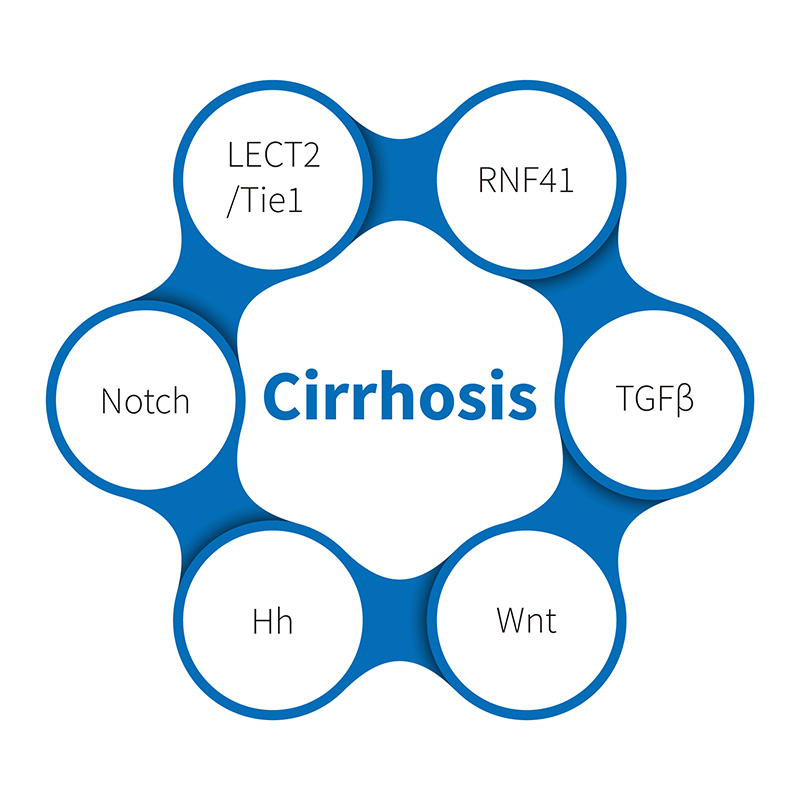
Breakthrough in autoimmune cirrhosis research
1. Understand immune system dysfunction
Autoimmune cirrhosis involves complex interactions of immune cells, cytokines, and genetic factors. Small animal studies show:
· The role of T helper cells (Th17) in promoting inflammation.
· The contribution of regulatory T cells (Tregs) in suppressing harmful immune responses highlights potential therapeutic targets.
· Cytokines such as IL-1β, TNF-α, and IFN-γ are involved in liver injury.
2. Biomarker development
Early diagnosis is crucial in treating autoimmune cirrhosis. Studies using small animal models have discovered the following biomarkers:
· Elevated transaminases (ALT and AST).
· Autoantibodies such as anti-liver/kidney microsomal antibodies (LKM) and anti-smooth muscle antibodies (SMA).
3. Drug testing and development
Small animals have been widely used to evaluate treatments for autoimmune liver diseases, such as:
Immunomodulators : Drugs such as azathioprine and mycophenolate mofetil have been tested to evaluate their ability to inhibit immune-mediated liver injury.
Biological therapies: Monoclonal antibodies targeting pro-inflammatory cytokines have shown promise in preclinical studies.
· Emerging therapies: Gene editing technologies such as CRISPR-Cas9 and RNA-based treatments are being explored in animal models.
4. Study on intestinal-liver interaction
The gut microbiome plays a key role in liver disease. Small animal models have demonstrated how alterations in gut bacteria affect immune activation and liver inflammation. Probiotics, prebiotics, and dietary interventions are being tested as complementary therapies.
HKeybio: Pioneering autoimmune disease research
HKeybio is a leading contract research organization (CRO) specializing in preclinical research for autoimmune diseases. Their commitment to cutting-edge research is underlined by their small animal and assay testing facilities in Suzhou Industrial Park and their non-human primate testing base in Guangxi.
HKeybio’s main advantages
1. Experienced team: The HKeybio team has nearly 20 years of collective experience in global drug research, ensuring innovation and high-quality results.
2. State-of-the-art facilities: Their state-of-the-art equipment supports complex preclinical research, including imaging, biomarker analysis, and molecular testing.
3. Comprehensive models: By utilizing small animals and non-human primates, HKeybio enables a comprehensive understanding of autoimmune diseases and facilitates translational research.
Through these capabilities, HKeybio plays a key role in advancing the field of autoimmune cirrhosis research.
FAQ
What are the most commonly used animal models in cirrhosis research?
Mice and rats are the most commonly used models. They may be genetically modified, chemically induced, or naturally susceptible to autoimmune disease.
How does the gut microbiota affect autoimmune cirrhosis?
Research shows that gut bacteria play a crucial role in immune system regulation. Dysbiosis (an imbalance of gut bacteria) can exacerbate liver inflammation and scarring.
What is the role of HKeybio in autoimmunity research?
HKeybio is a CRO specializing in preclinical research into autoimmune diseases, using small animal and primate models to drive diagnostic and therapeutic innovation.
in conclusion
The use of in the study of autoimmune cirrhosis small animal models has revolutionized our understanding of the disease. From identifying immune system dysfunction to testing breakthrough therapies, small animals remain a valuable tool in the fight against cirrhosis. Organizations like HKeybio are leading the way, leveraging advanced technology and expertise to push the boundaries of preclinical research.
As we continue to uncover the mechanisms behind autoimmune diseases and their progression to cirrhosis , the role of small animal models will remain critical. By bridging the gap between basic research and clinical application, these models are paving the way for innovative treatments that significantly improve the lives of patients around the world.


