Cirrhosis is a serious, life-threatening disease characterized by scarring of liver tissue. It is often the result of long-term liver damage from causes such as chronic alcoholism, hepatitis, and certain autoimmune diseases. Over time, the liver becomes less efficient at performing its basic functions, including detoxification and protein synthesis. This article explores the causes and progression of cirrhosis, how to use small animal autoimmune disease models to study cirrhosis, and the significance of these models in advancing liver disease research.
What is cirrhosis?
Cirrhosisis caused by long-term liver damage that causes healthy liver tissue to be replaced by scar tissue, disrupting the liver's normal function. The liver plays a vital role in detoxifying harmful substances, producing essential proteins, storing vitamins and minerals, and regulating metabolism.
Causes of cirrhosis vary, but the most common causes include:
Chronic alcohol consumption: Excessive alcohol consumption over many years is one of the main causes of cirrhosis of the liver. Alcohol damages liver cells and triggers inflammation, leading to scarring.
Hepatitis: Chronic viral infections, such as hepatitis B and hepatitis C, can cause inflammation of the liver and may eventually lead to cirrhosis.
Non-alcoholic fatty liver disease (NAFLD): Often associated with obesity and diabetes, NAFLD causes fat accumulation in the liver, leading to inflammation and ultimately cirrhosis.
Autoimmune diseases: Diseases in which the body's immune system attacks liver cells, such as autoimmune hepatitis, can also lead to cirrhosis.
Cirrhosis often has no obvious symptoms in its early stages, making it difficult to diagnose until significant damage has occurred. Common diagnostic tools include blood tests, imaging studies (such as ultrasound or CT scans), and sometimes a liver biopsy to evaluate liver damage.
What happens with cirrhosis?
Whenever the liver is damaged, it attempts to repair itself by producing new tissue. However, in chronic diseases such as cirrhosis, the repair process is imperfect because it produces scar tissue instead of healthy liver cells. Over time, this scar tissue accumulates, gradually replacing healthy liver cells and impairing liver function. As cirrhosis progresses, complications such as liver failure, variceal bleeding, and liver cancer may occur.
The role of autoimmune diseases in cirrhosis
Autoimmune disease is a significant cause of cirrhosis because the immune system mistakenly attacks the liver. For example, in autoimmune hepatitis, the immune system attacks liver cells, causing inflammation and, if left untreated, cirrhosis. Autoimmune diseases can be difficult to diagnose, and without appropriate treatment, progression to cirrhosis can be slow but inevitable.
Growing interest in understanding how autoimmune diseases lead to cirrhosis has led researchers to develop models of autoimmune diseases in small animals such as rats and mice. These models are invaluable for studying mechanisms of liver injury, understanding the pathophysiology of autoimmune hepatitis, and testing potential therapeutic strategies for cirrhosis.
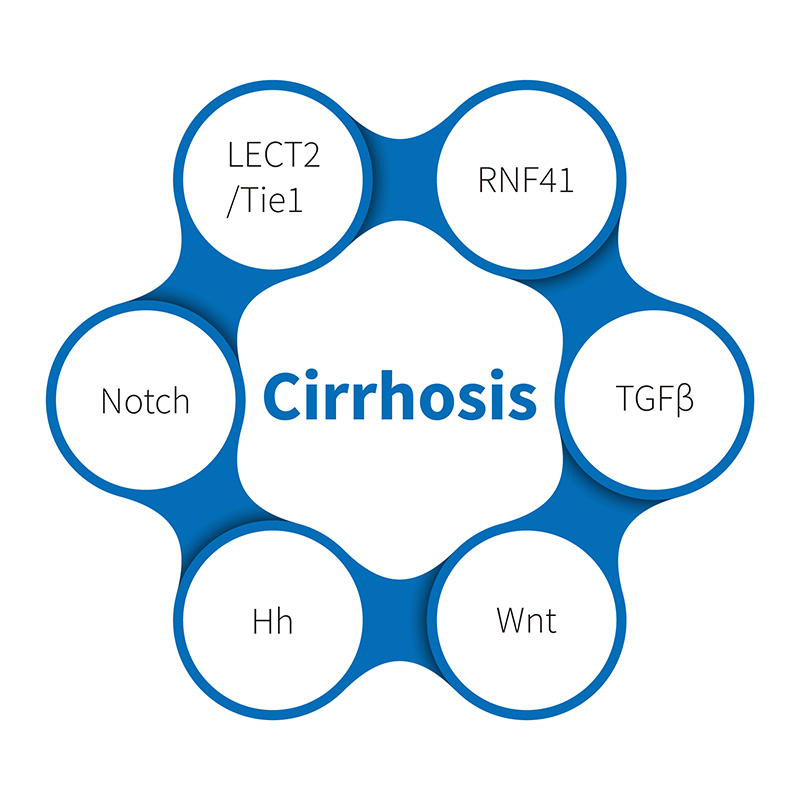
The role of small animal models in liver cirrhosis research
Small animal models are critical to improving our understanding of cirrhosis and autoimmune diseases. The ability to induce cirrhosis in animals allows researchers to model human liver diseases and study them in a controlled environment. Several models are available to study cirrhosis, the most commonly used of which is the CCl₄-induced cirrhosis rat model.
CCl4-induced liver cirrhosis rat model
The CCl₄-induced cirrhosis rat model is one of the most widely used animal models for studying liver fibrosis and cirrhosis. Carbon tetrachloride (CCl₄) is a hepatotoxin that causes liver damage by producing free radicals that damage liver cells. Repeated exposure to CCl₄ over weeks or months can lead to centrilobular liver necrosis, pro-inflammatory immune responses, fibrosis, and ultimately progression to cirrhosis.
The mechanism of CCl4-induced liver cirrhosis
When CCl₄ is metabolized by liver enzymes, it forms highly reactive metabolites that damage liver cells. This process triggers a series of inflammatory and fibrotic reactions that lead to tissue scarring. Over time, this damage accumulates and leads to loss of liver function. The CCl₄-induced cirrhosis model helps to understand the molecular and cellular mechanisms of liver injury, fibrosis, and cirrhosis. The researchers used the model to test various treatments, including anti-fibrotic drugs and treatments that target inflammation, to slow or stop the progression of cirrhosis.
Other autoimmune disease models in small animals
In addition to CCl₄, other autoimmune disease models are used to study cirrhosis in small animals. For example, rodent models of autoimmune hepatitis mimic the autoimmune attack on liver cells that leads to cirrhosis. These models help researchers understand how immune cells such as T cells and B cells contribute to liver inflammation and damage.
One common approach is to use mice that are genetically predisposed to autoimmune disease, such as those with mutated TNF receptors or overexpression of interleukin 6 (IL-6), resulting in autoimmune hepatitis. These models are critical for testing potential therapies, such as immunosuppressive drugs, to alleviate the symptoms of autoimmune hepatitis and reduce the risk of cirrhosis.
Treatment and management of cirrhosis in humans
Although cirrhosis is a progressive disease, early detection and appropriate treatment can significantly improve prognosis and prevent further liver damage. Treatment of cirrhosis mainly depends on its underlying cause:
Cirrhosis caused by chronic alcohol consumption: The first step is to stop drinking alcohol, which can significantly slow the progression of cirrhosis. Nutritional support and treatment of complications such as ascites and variceal bleeding are also crucial.
Cirrhosis due to hepatitis: Antiviral treatment can effectively control hepatitis B and C infections and may prevent or slow the progression of cirrhosis.
Cirrhosis due to autoimmune hepatitis: Immunosuppressive drugs, such as corticosteroids, can help control inflammation and prevent further liver damage in people with autoimmune hepatitis.
In some cases, cirrhosis may progress to end-stage liver disease, requiring a liver transplant to restore normal liver function.
FAQ
What is cirrhosis and what are its causes?
Cirrhosis is a disease in which healthy liver tissue is replaced by scar tissue, resulting in impaired liver function. It can be caused by long-term alcohol consumption, viral infections (such as hepatitis), non-alcoholic fatty liver disease, and autoimmune diseases (such as autoimmune hepatitis).
What are the symptoms of cirrhosis?
In its early stages, cirrhosis may have no symptoms. As the disease progresses, symptoms such as fatigue, jaundice (yellowing of the skin and eyes), abdominal pain, and swelling (ascites) may occur.
How can small animals help cirrhosis research?
Small animals, particularly rats and mice, are used in autoimmune disease models to study liver damage and cirrhosis. These models help researchers study the mechanisms of liver fibrosis and test potential treatments.
What is the CCl4-induced cirrhosis model?
The CCl4-induced cirrhosis model involves exposing rats to carbon tetrachloride, a substance that causes liver damage leading to fibrosis and cirrhosis. This model is widely used to study the progression of liver disease and test new treatments.
Can cirrhosis be reversed?
In most cases, cirrhosis cannot be completely reversed. However, early diagnosis and treatment can help manage the condition, prevent further damage, and improve quality of life. In cases of advanced cirrhosis, liver transplantation may be required.
in conclusion
Cirrhosis is a serious, life-threatening disease that requires early detection and effective treatment. Autoimmune diseases are important causes of cirrhosis, and understanding the mechanisms behind these diseases is critical to developing effective treatments. Small animal models, particularly those involving autoimmune disease models and CCl4-induced cirrhosis, play a key role in improving our understanding of liver disease and developing new treatments. As research continues, better treatment options may become available for people with this debilitating disease.


