Main features and benefits
Extensive model portfolio – DSS (UC class), TNBS (CD class) and OXA models covering acute, chronic and different immune mechanisms (Th1/Th17 for TNBS, Th9 for OXA).
Multiple species/strains available – C57BL/6, BALB/c mice and SD rats.
Composite endpoint – body weight, colon length/weight, DAI score, histopathology (HE, Masson), cytokine analysis (IL-6, TNF-α), RNA-seq data (chronic DSS).
Translational Value – Ideal for testing anti-inflammatory drugs, biologics (anti-TNF, anti-IL-12/23), JAK inhibitors, and intestinal restriction therapies.
IND Ready Packet – Research can be conducted in accordance with GLP principles.
Technical data and verification
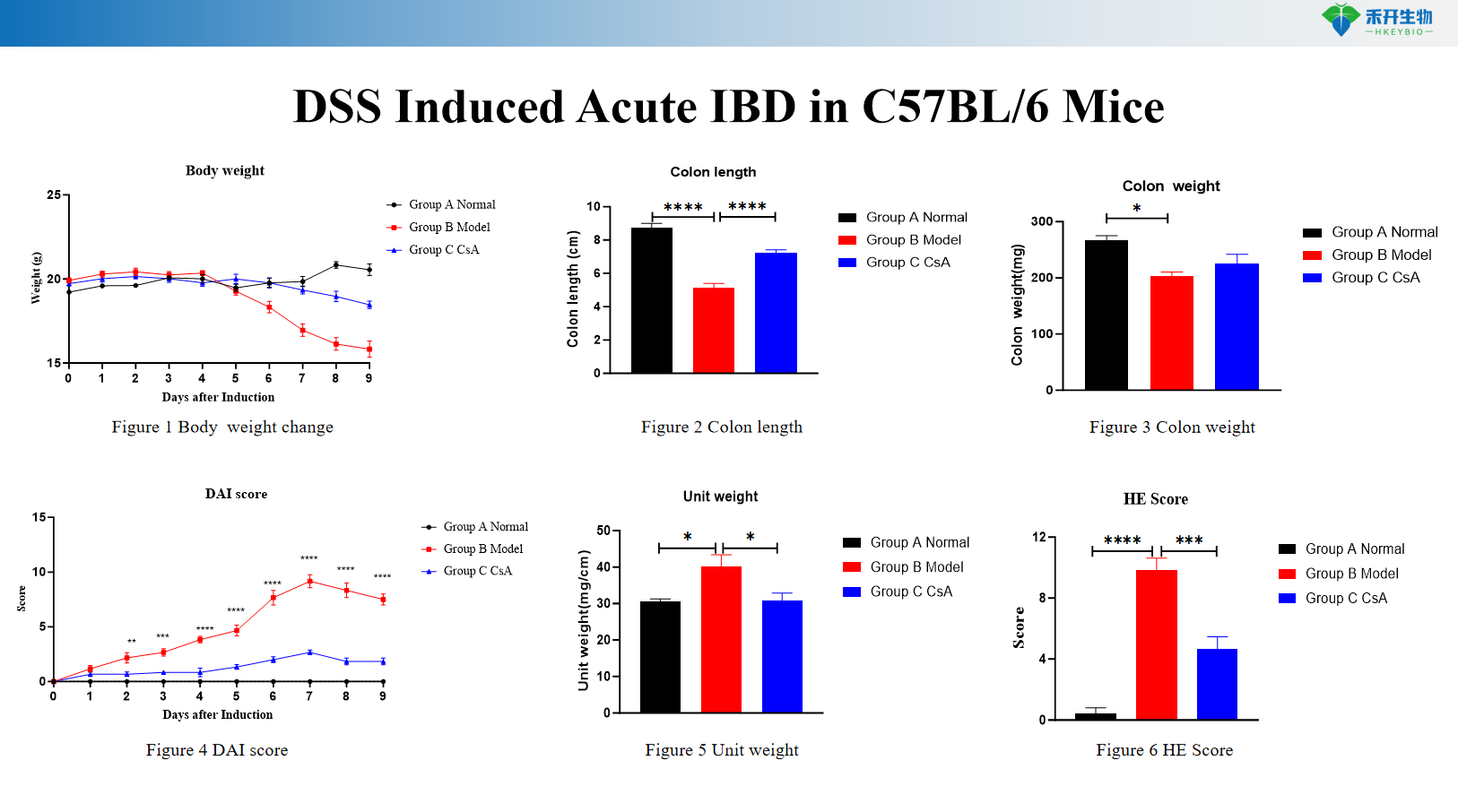
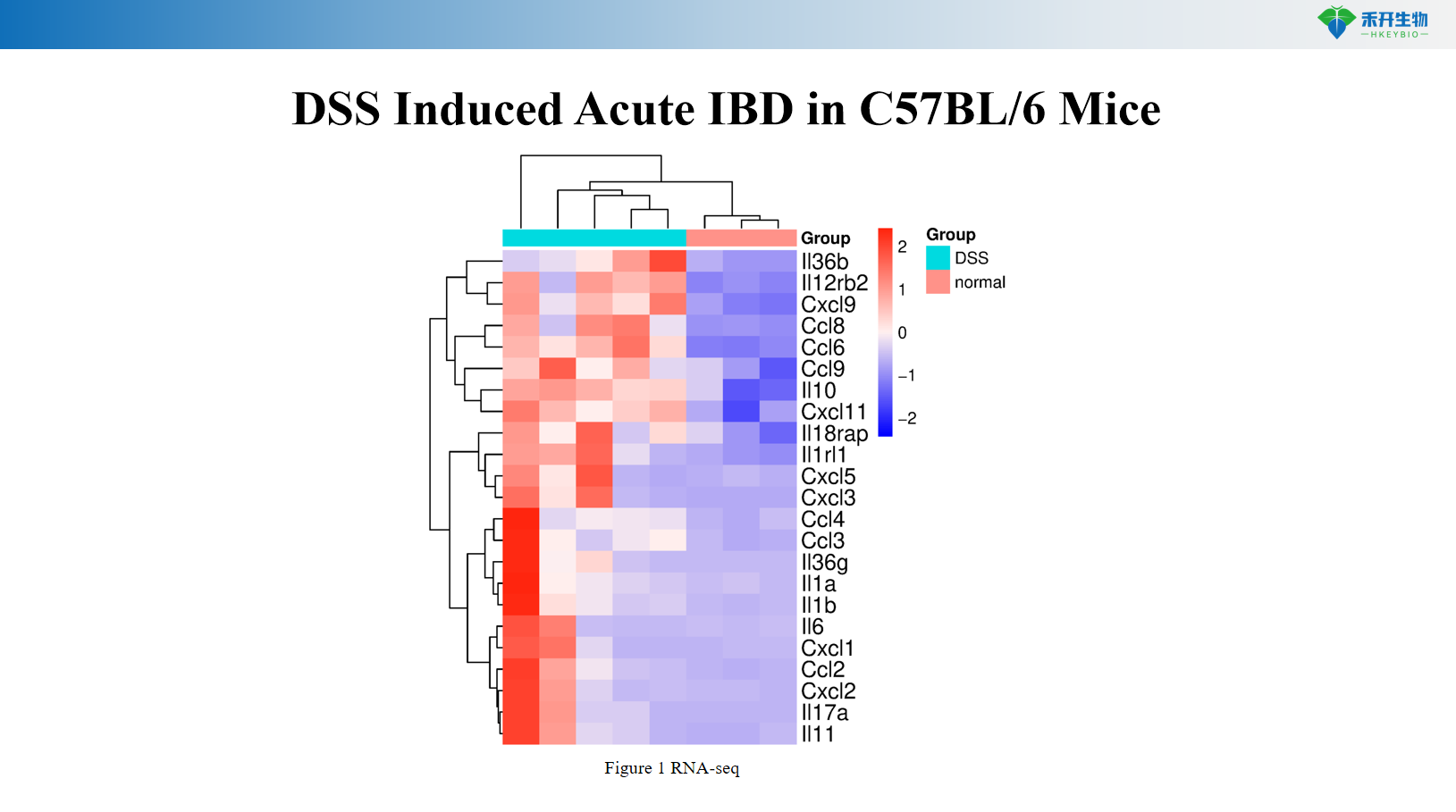
DSS induces acute IBD in C57BL/6 mice
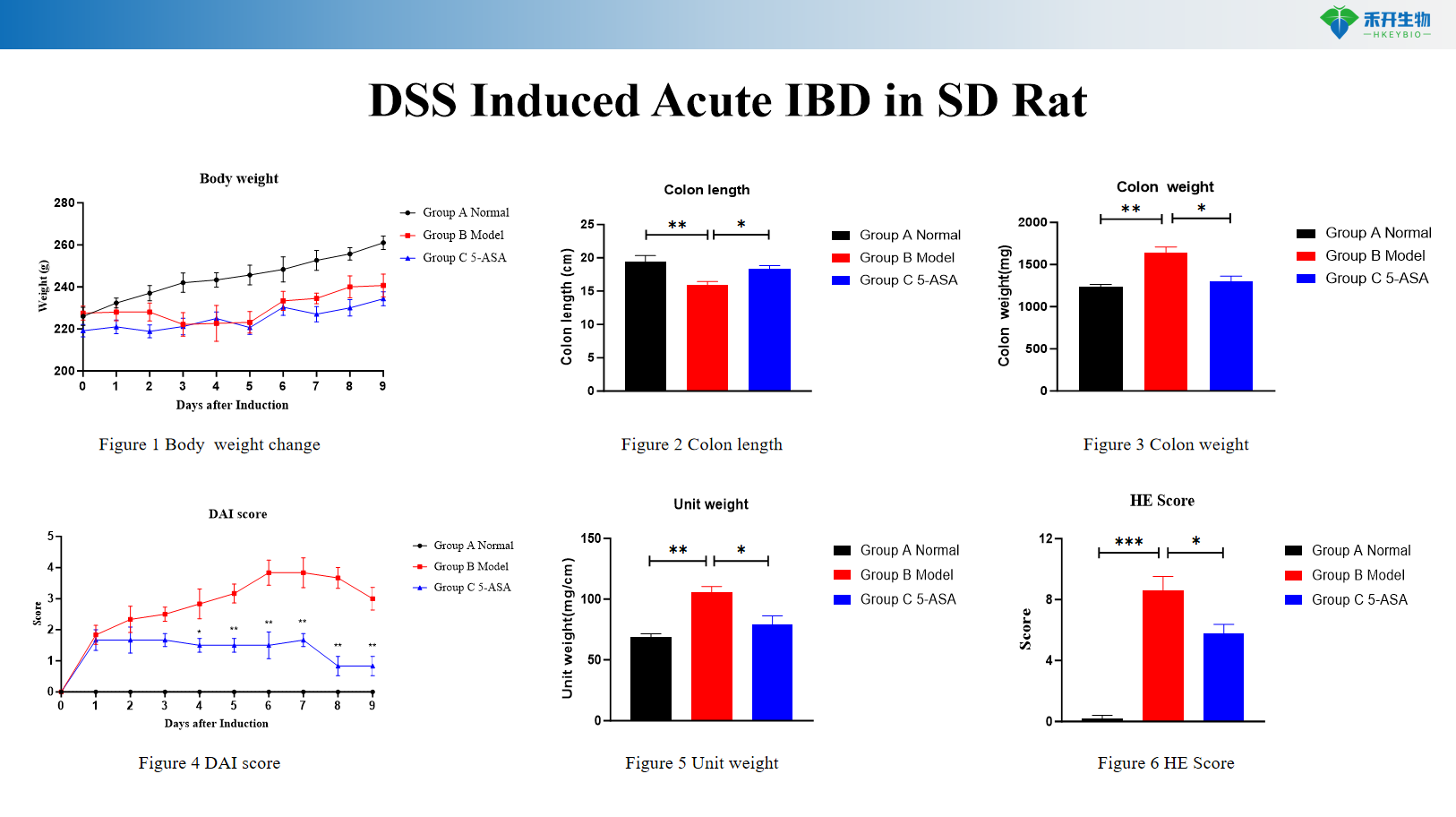
DSS induces acute IBD in SD rats
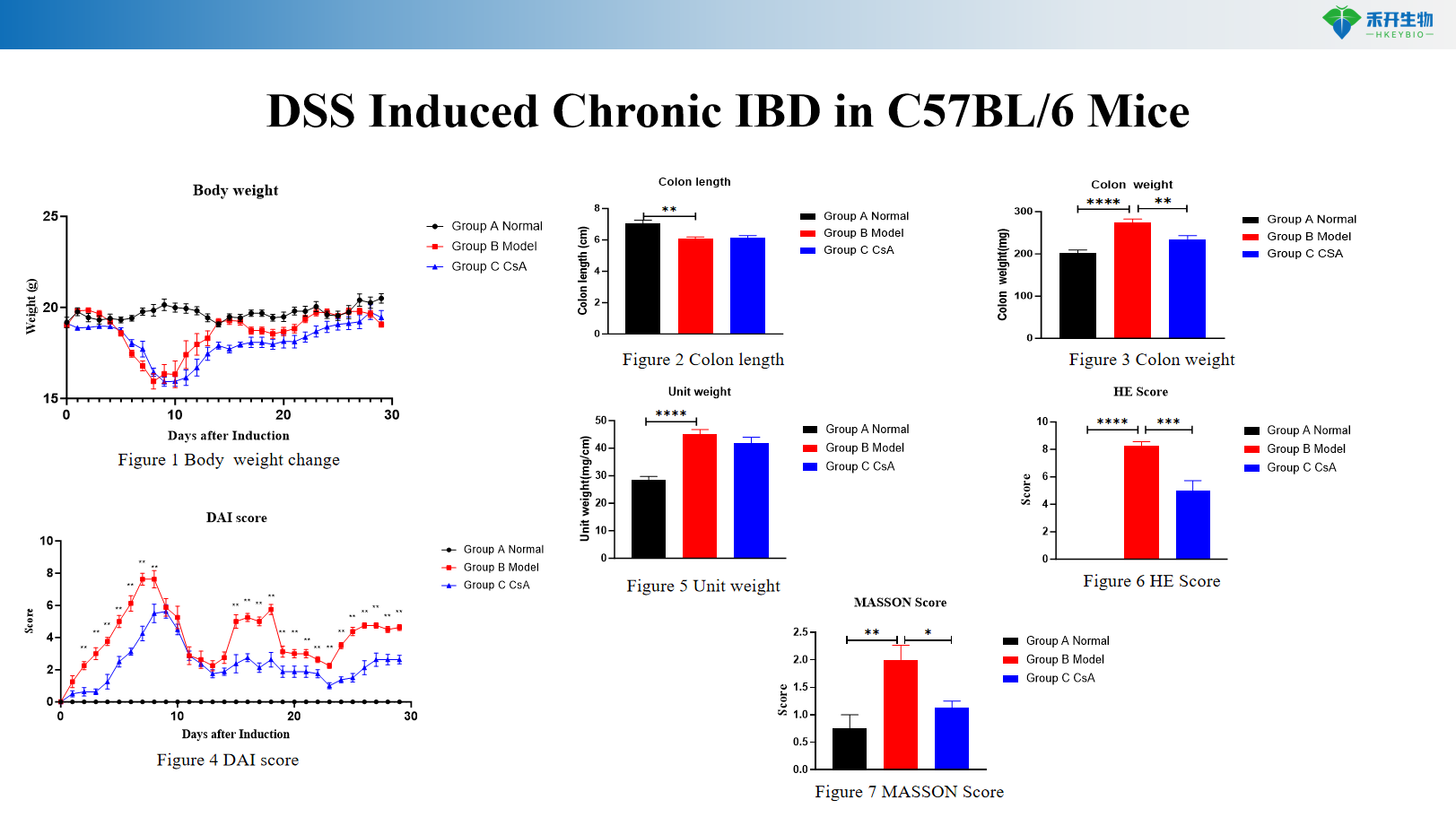
DSS induces chronic IBD in C57BL/6 mice
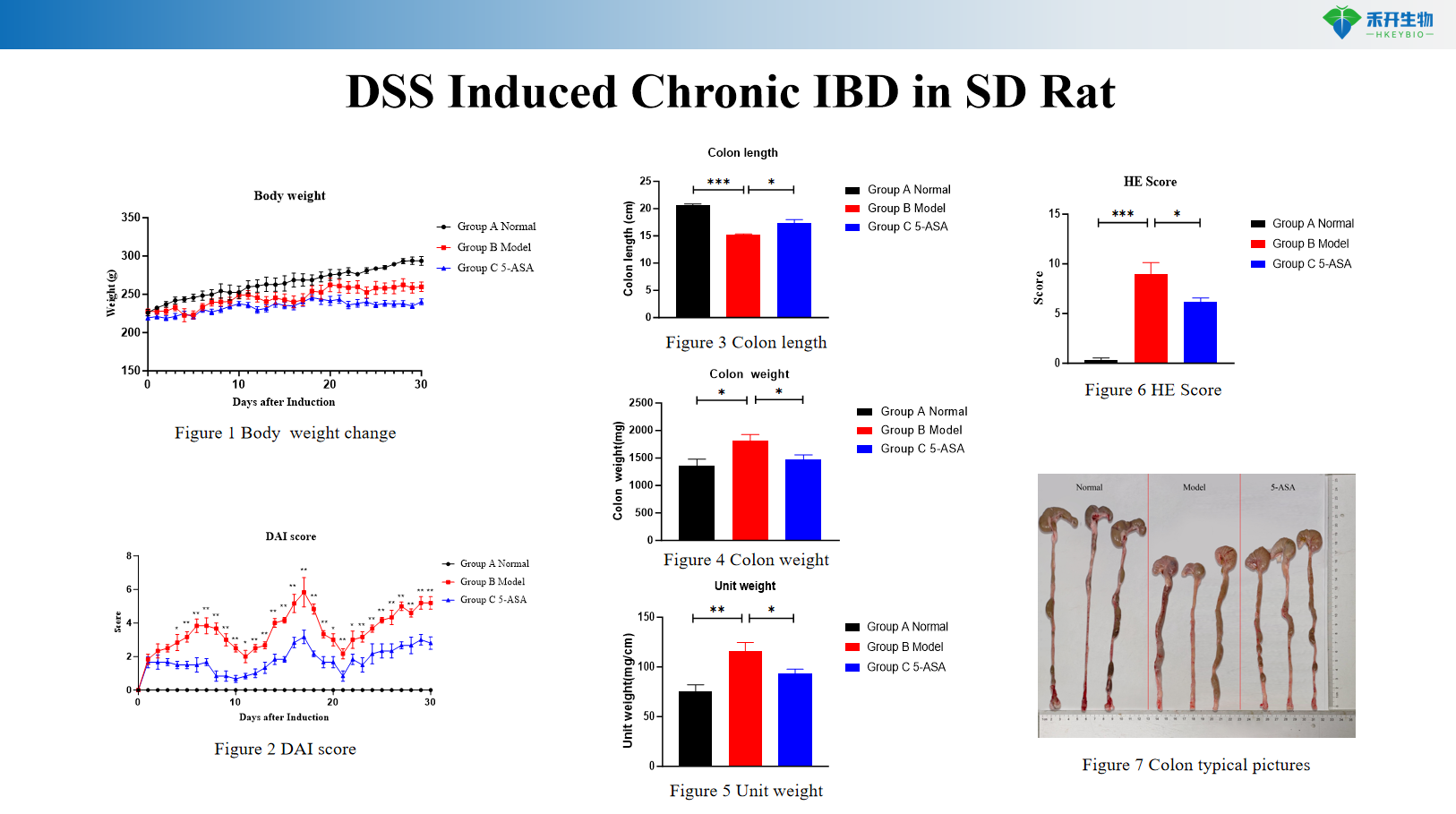
DSS induces chronic IBD in SD rats
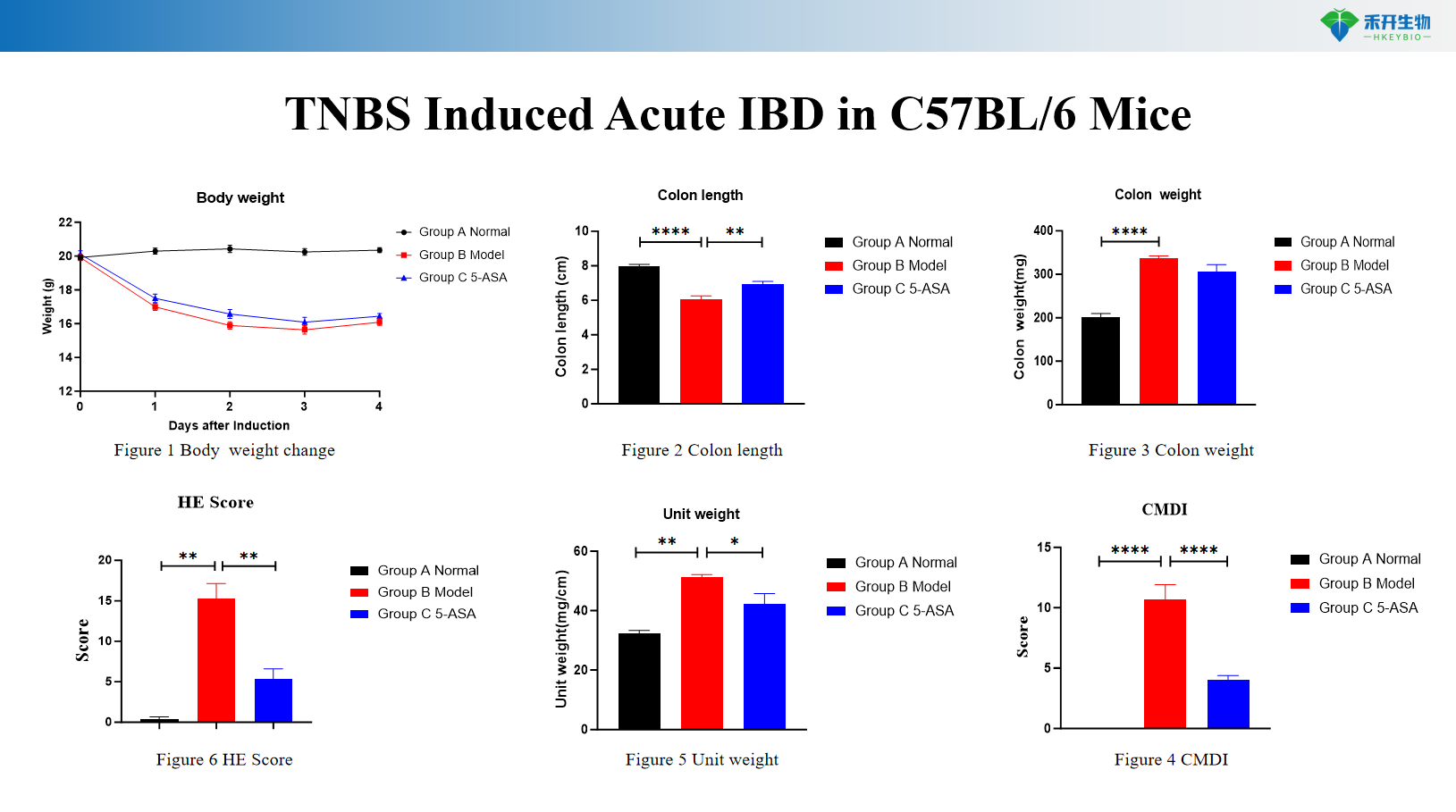
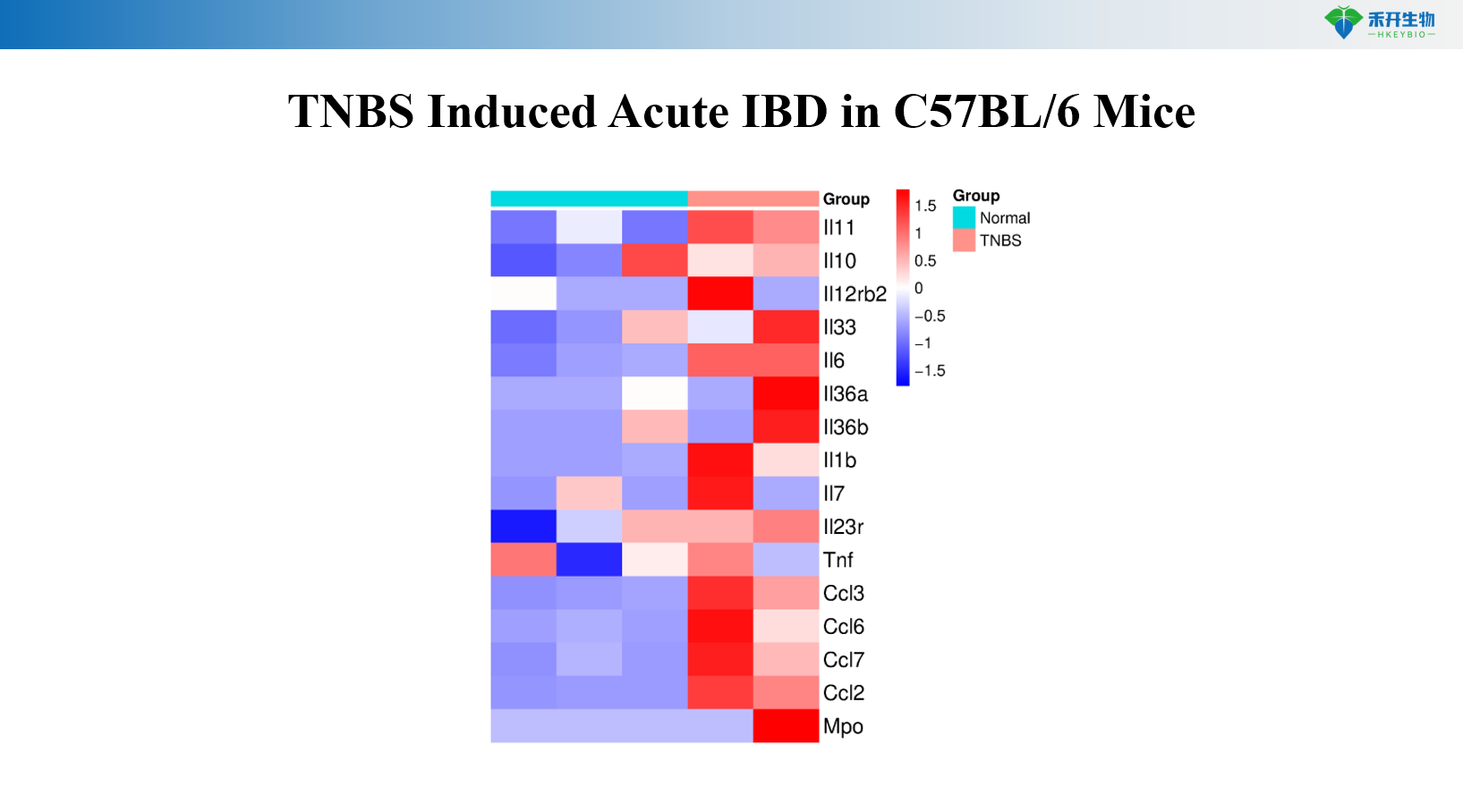
TNBS induces acute IBD in C57BL/6 mice
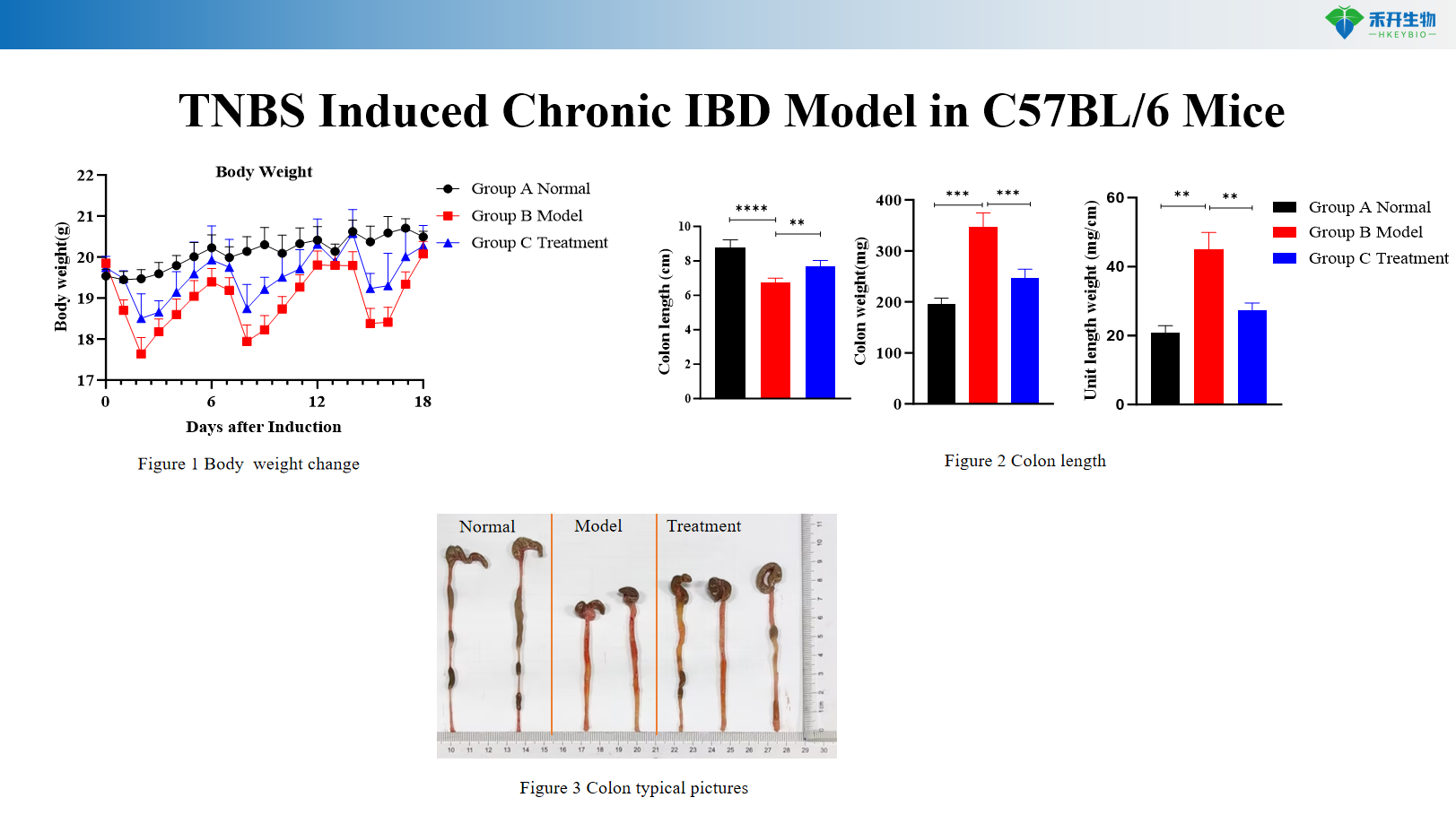
TNBS induces chronic IBD model in C57BL/6 mice
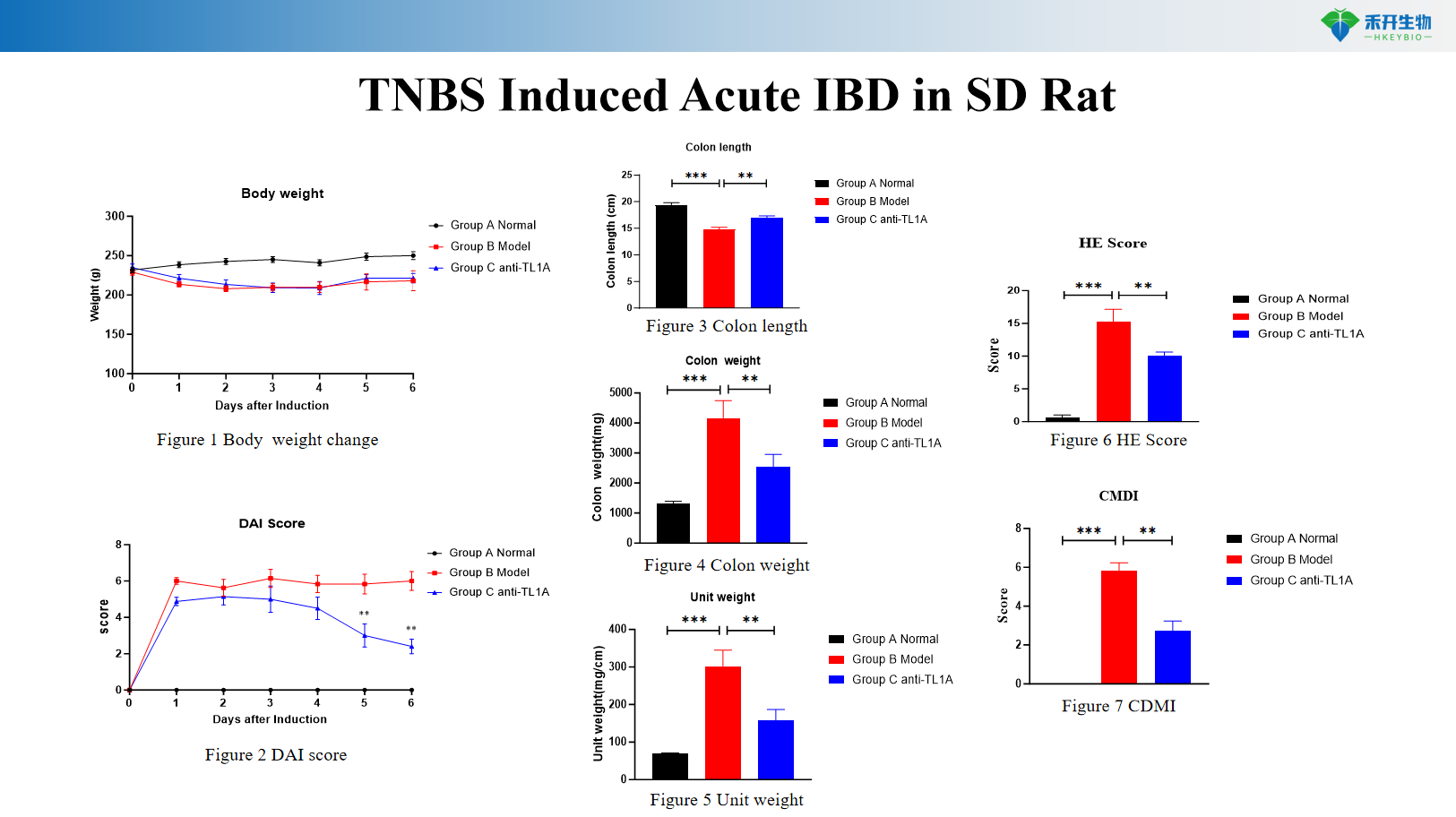
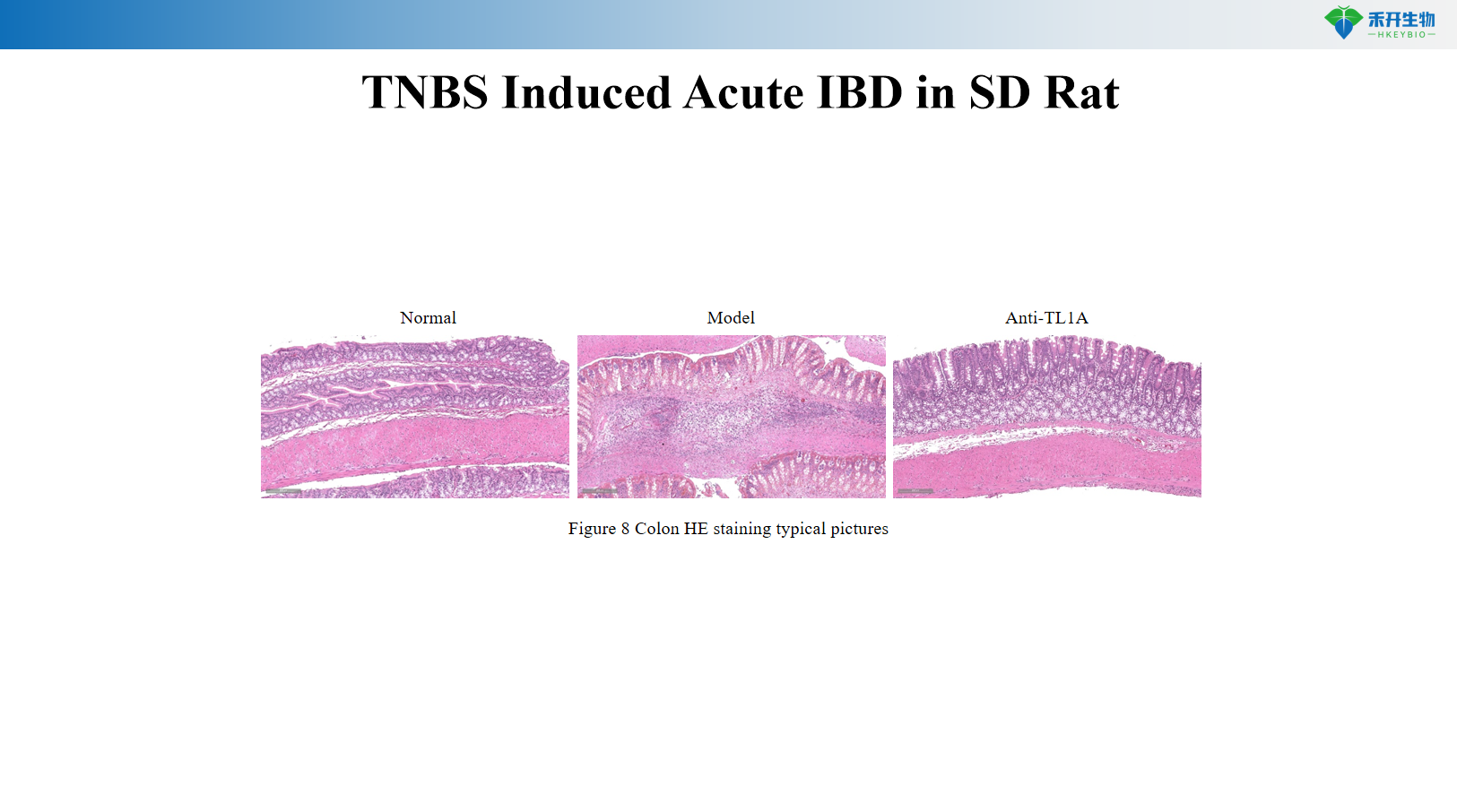
TNBS induces acute IBD in SD rats
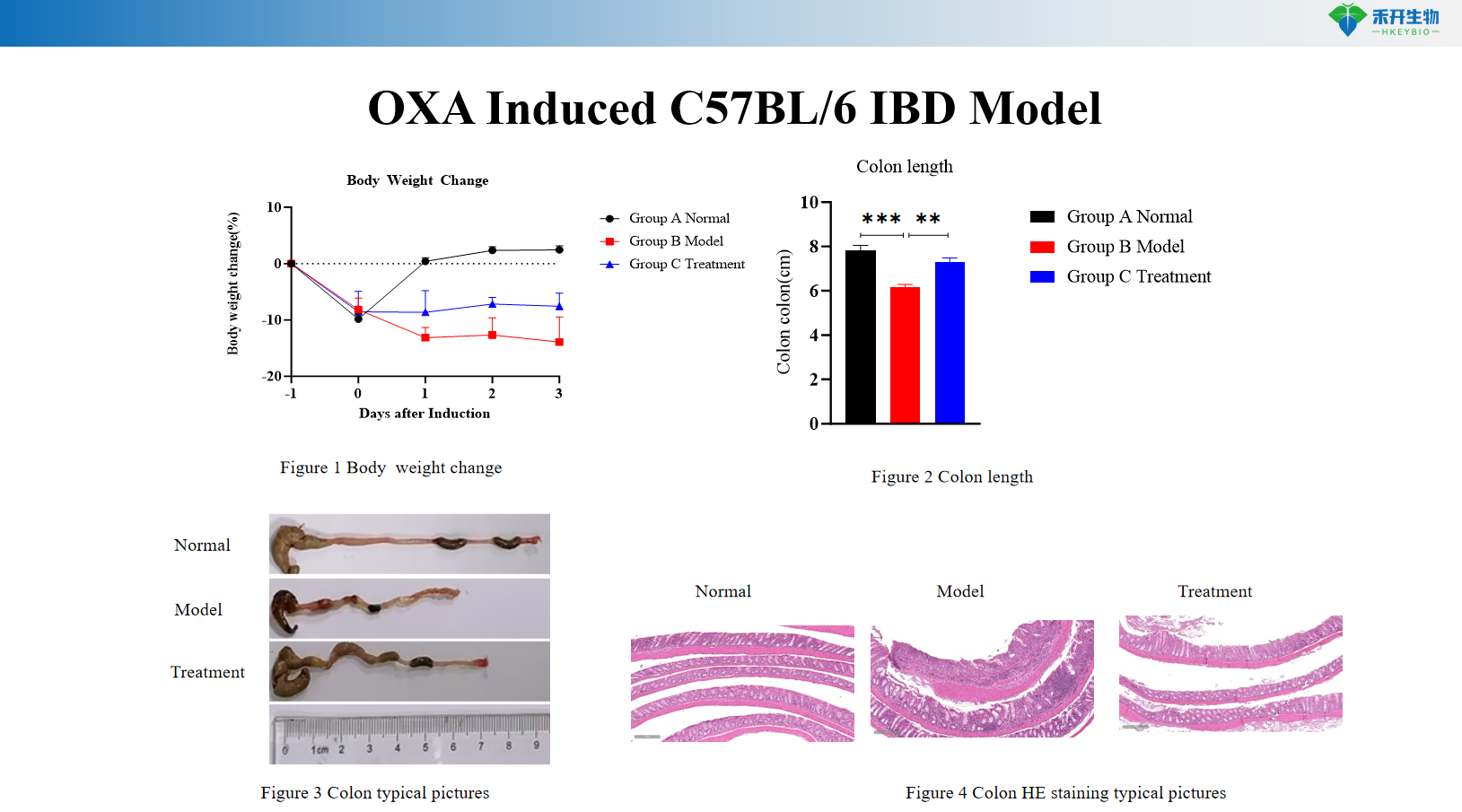
OXA induced C57BL/6 IBD model
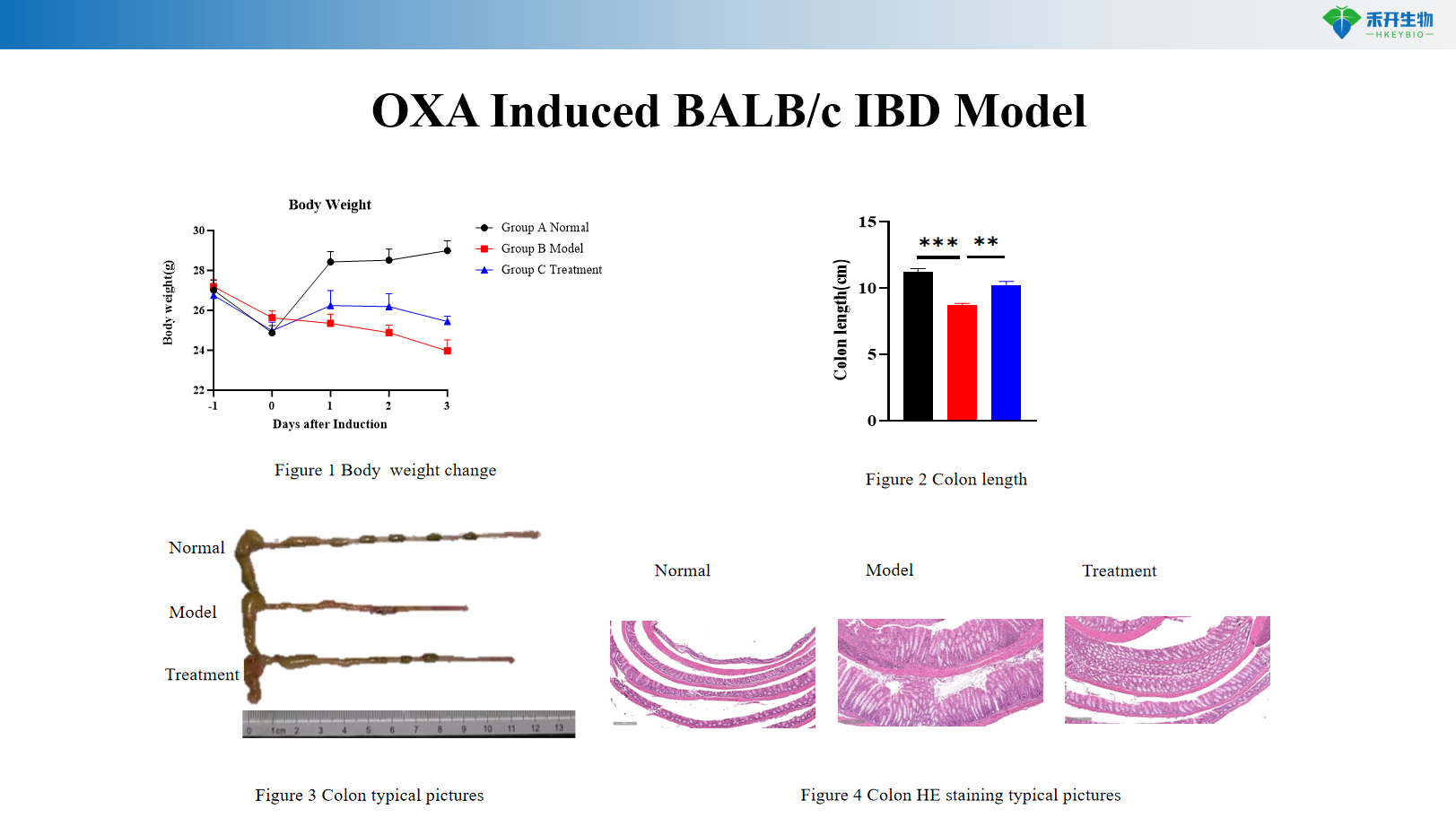
OXA-induced BALB/c IBD model
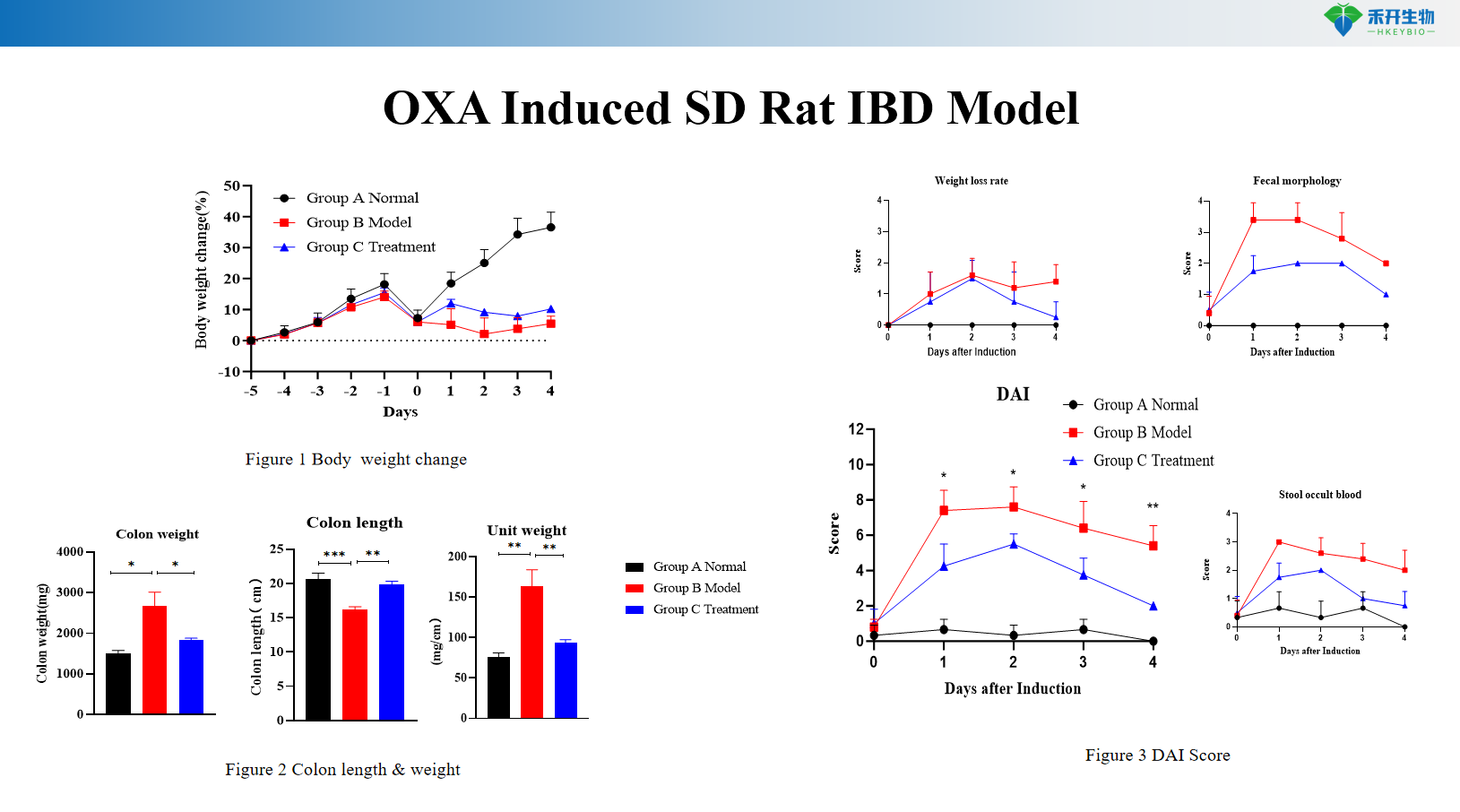
OXA-induced IBD model in SD rats
Application areas
• Efficacy testing of anti-inflammatory drugs (5-ASA, corticosteroids), biologics (anti-TNF, anti-IL-12/23, anti-integrins), JAK inhibitors, and S1P receptor modulators
• Evaluation of gut-restricted immunomodulators and microbiome-based therapies
• Target validation of Th1, Th17, and Th9 pathways in IBD pathogenesis
• Biomarker discovery (fecal calprotectin, cytokines, inflammatory mediators)
• Pharmacology and toxicology studies to support IND
Model specifications
scope | Specification |
Species/Strain | C57BL/6 mice, BALB/c mice, SD rats |
induction method | DSS (oral, acute 5-7 days, chronic 2-3 cycles); TNBS (intracolonic, single or repeated); OXA (intracolonic) |
study time | Acute: 5-10 days; Chronic: 4-8 weeks |
critical endpoint | Body weight, colon length, colon weight, DAI score (0-12 scale), histopathology score (HE, Masson), cytokine levels (IL-6, TNF-α), CMDI score (TNBS), RNA-seq data (chronic DSS), typical pictures of colon |
| positive control | 5-aminosalicylic acid (5-ASA), dexamethasone or anti-TNF antibodies can be used as reference compounds |
| packet | Raw data, analysis reports, clinical scores, histological sections, ELISA results, RNA-seq data (optional), bioinformatics (optional) |
❓ FAQ
Q: What are the differences between DSS, TNBS and OXA models?
Answer: DSS induces ulcerative colitis-like pathology through epithelial barrier disruption. TNBS induces Crohn's disease-like transmural inflammation through Th1/Th17 responses. OXA induces Th9-mediated colitis and can be used to study different immune mechanisms.
Q: Which model is best for chronic IBD research?
A: Cyclic DSS administration (2-3 cycles) produces chronic colitis with fibrosis. Repeated TNBS administration also produces chronic inflammation suitable for long-term efficacy studies.
Q: Can these models be used for IND support studies?
Answer: Yes. Studies can be conducted according to GLP principles for regulatory submissions (FDA, EMA).
Q: Do you offer customized study protocols (e.g., different DSS concentrations, TNBS doses)?
Answer: Of course. Our scientific team tailors induction protocols, treatment plans and endpoint analyzes for your specific drug candidate.
Q: What is the typical timeline for a pilot efficacy study?
A: Acute study: 5-10 days; long-term study: 4-8 weeks, depending on number of cycles and endpoint.


