Main features and benefits
Clinical Relevance - The combination of cigarette smoke and lipopolysaccharide exposure models the etiology and chronic inflammation of chronic obstructive pulmonary disease in humans.
Multiple species - mouse and rat models are available to meet different experimental requirements (genetic tools vs. larger size).
Comprehensive endpoint - body weight, BALF cytology (leukocytes, macrophages, monocytes), lung function (resistance, compliance), histopathology (HE score), and cytokine analysis.
Translational value – ideal for testing anti-inflammatory drugs (corticosteroids, PDE4 inhibitors), bronchodilators, and mucolytics.
IND Ready Packet – Research can be conducted in accordance with GLP principles.
Technical data and verification
Smoke + LPS induces C57BL/6 mouse COPD model
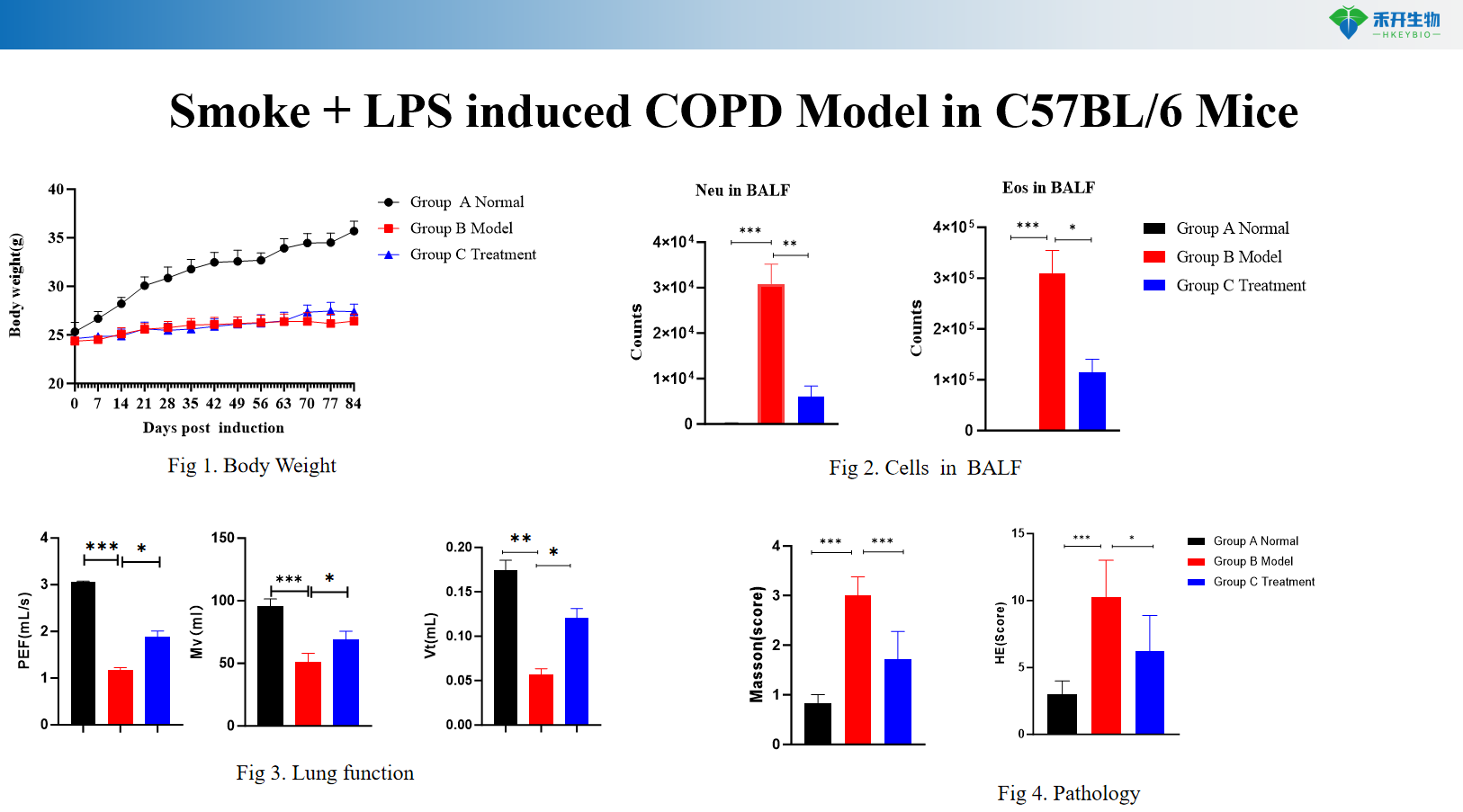
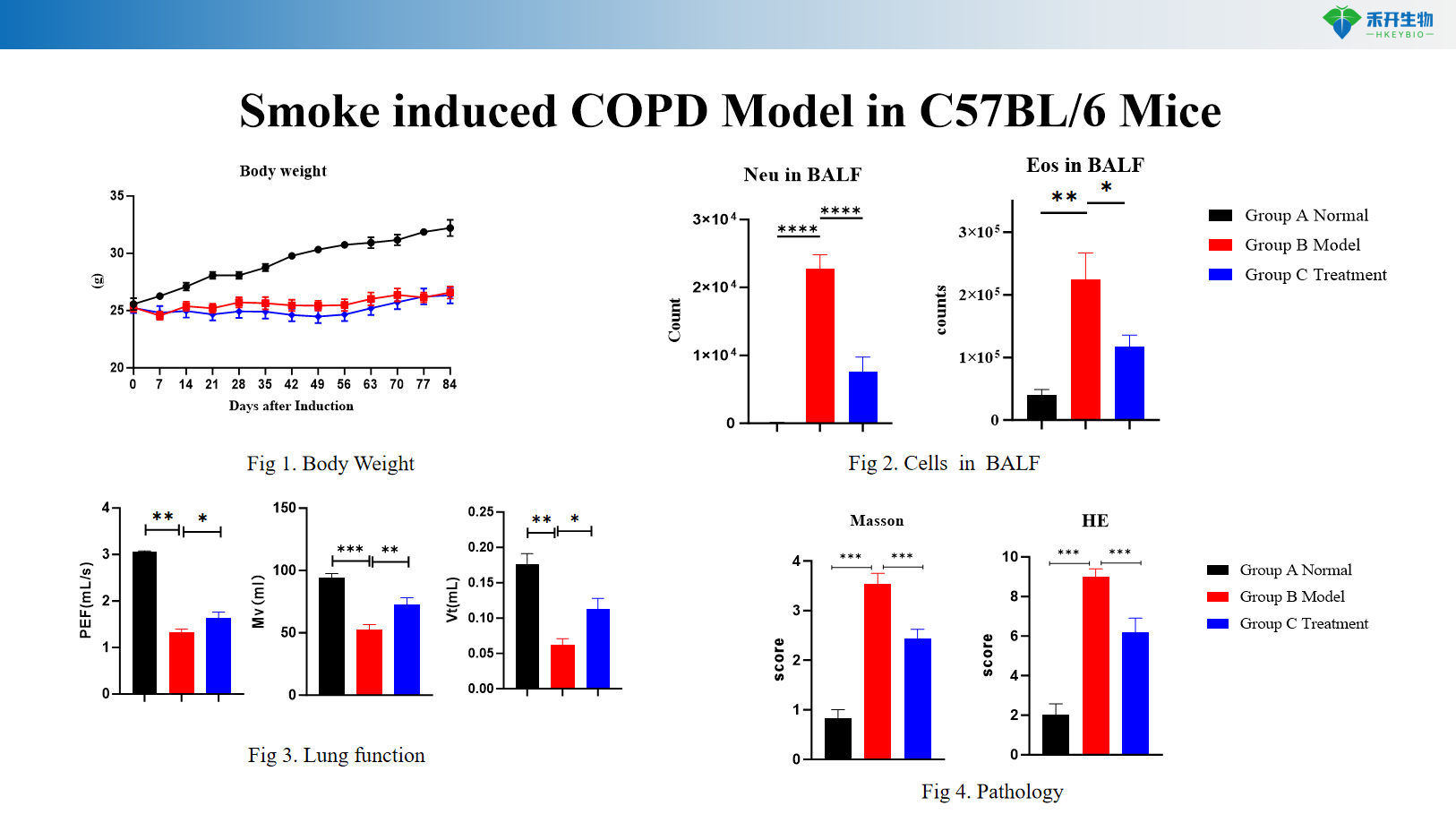
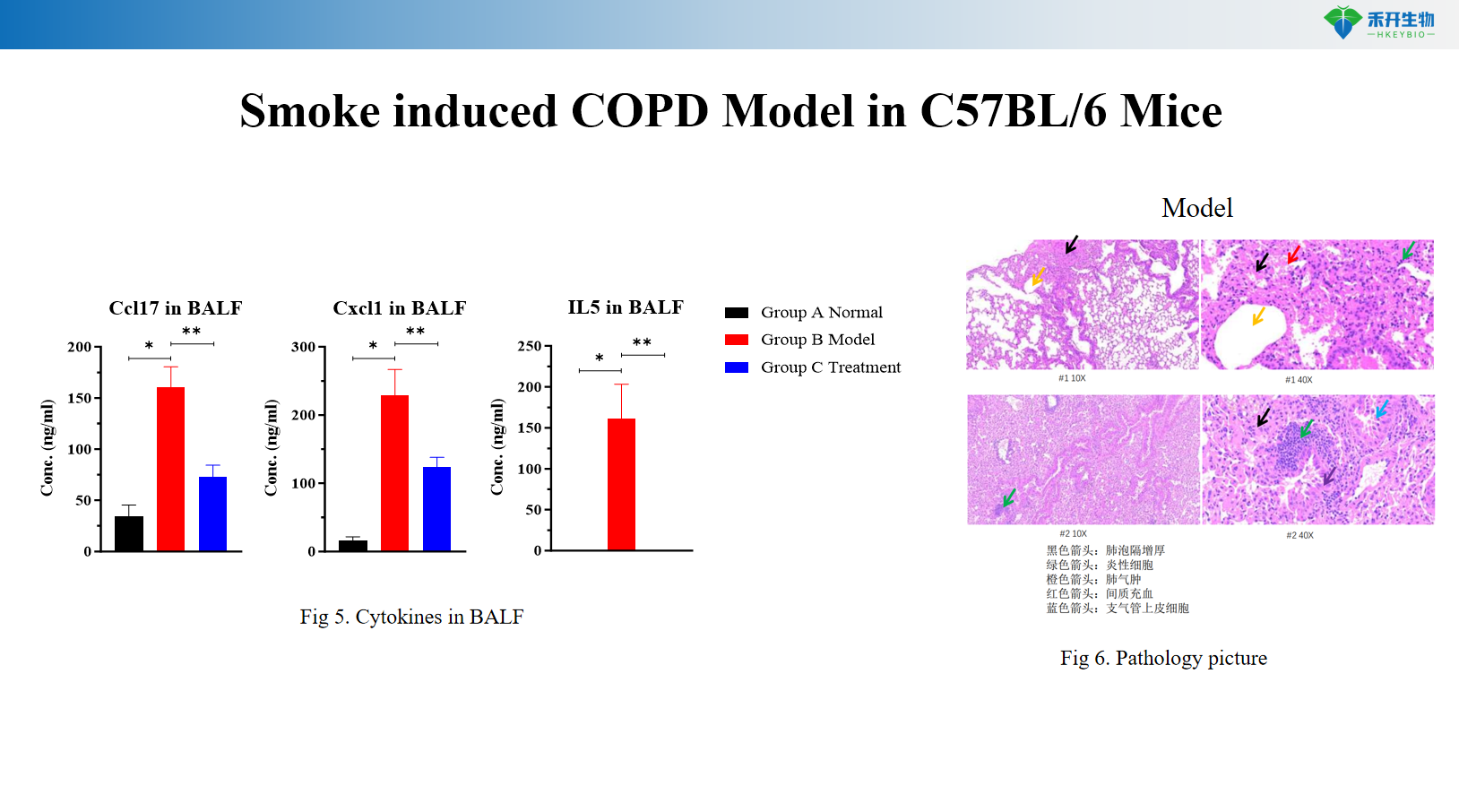
C57BL/6 mouse smoke-induced COPD model
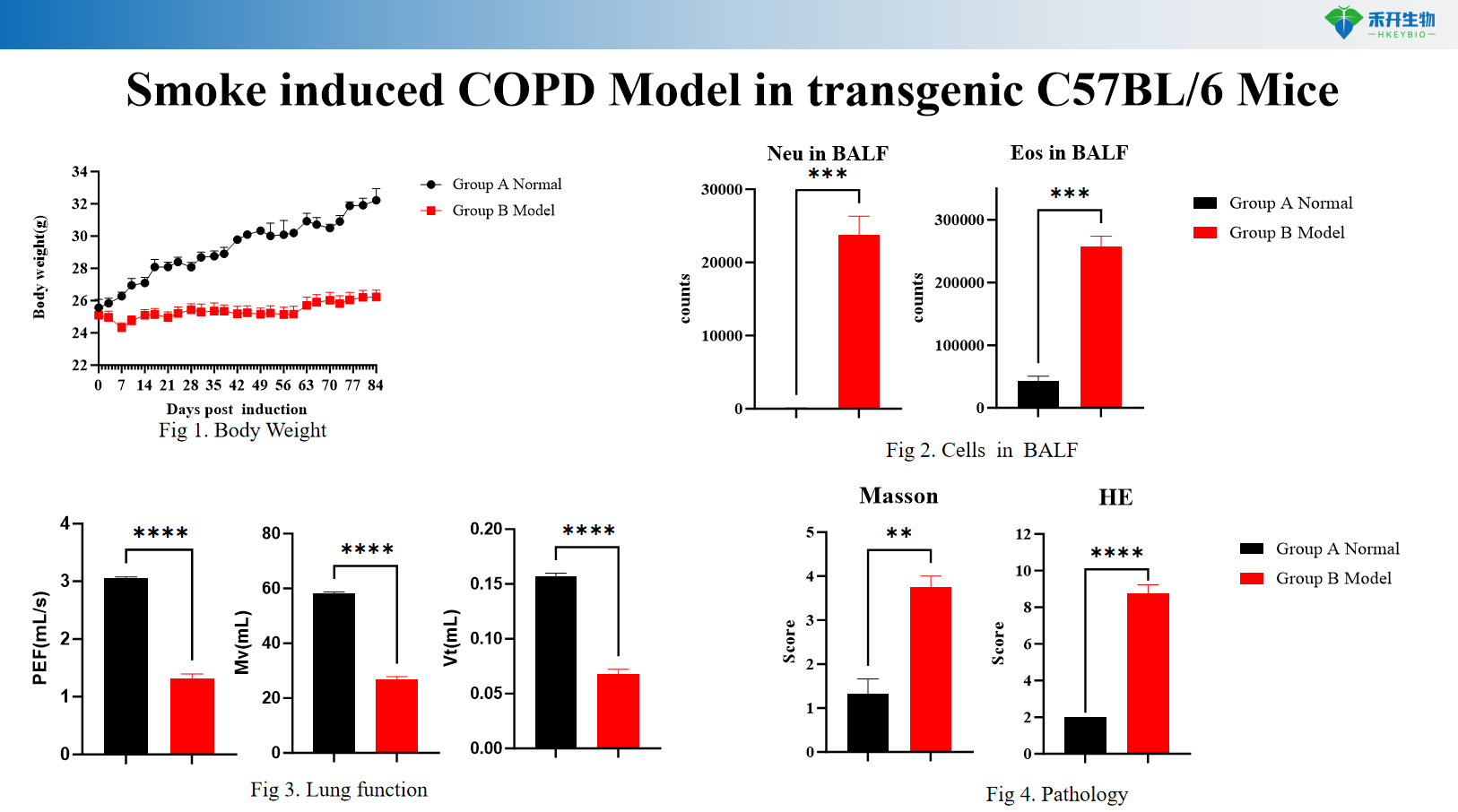
Smoke-induced COPD model in transgenic C57BL/6 mice
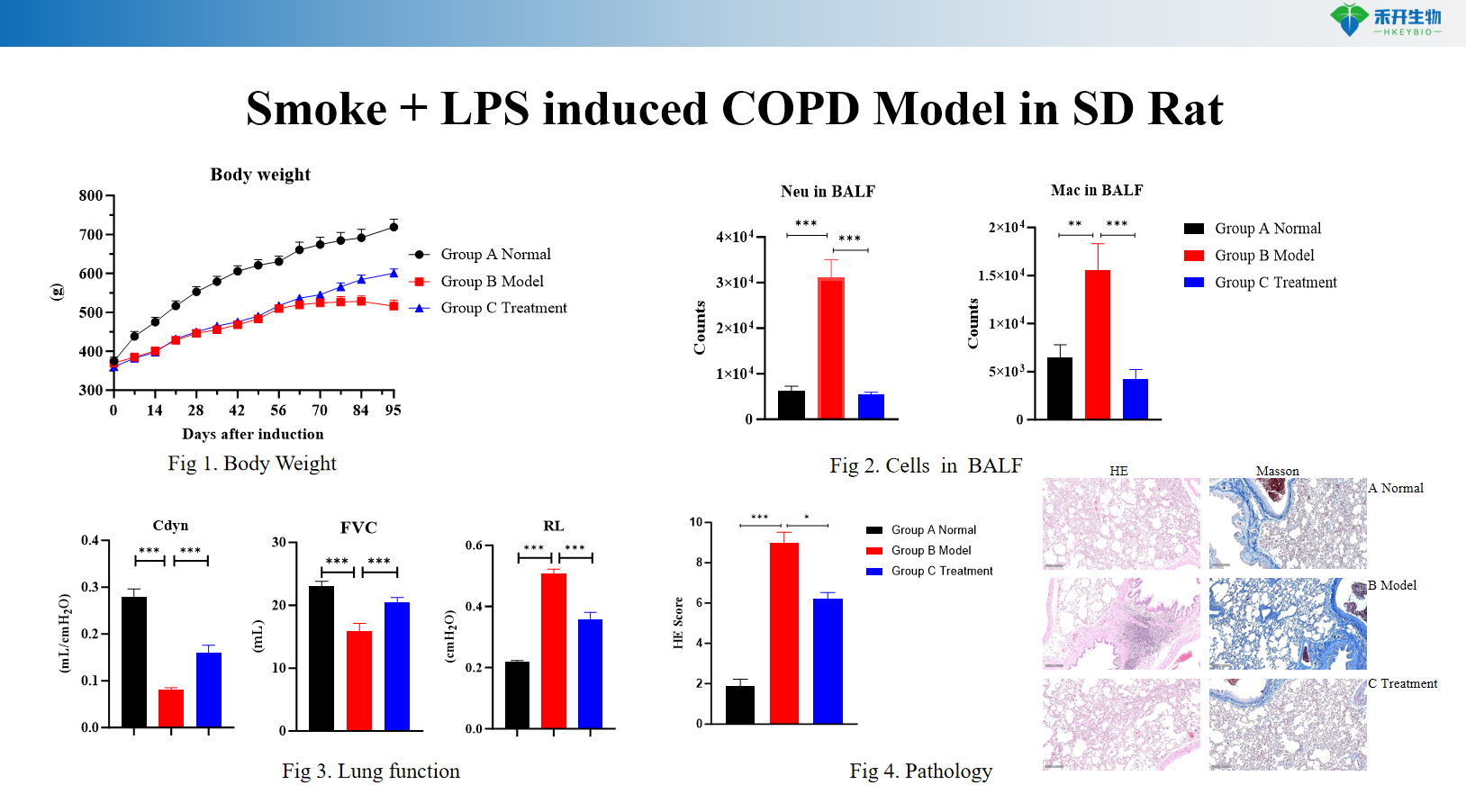
Smoke + LPS induced COPD model in SD rats
Application areas
• Efficacy testing of anti-inflammatory drugs (corticosteroids, PDE4 inhibitors, p38 MAPK inhibitors)
• Evaluation of bronchodilators (β2 agonists, anticholinergics) and combination therapies
• Testing of mucus active agents and antioxidants
• Target validation of inflammation and oxidative stress pathways
• Pharmacology and toxicology studies to support IND
Model specifications
scope | Mouse chronic obstructive pulmonary disease model | Rat model of chronic obstructive pulmonary disease |
Species/Strain | C57BL/6 mouse | Sprague-Dawley Rat |
induction method | Chronic cigarette smoke exposure (whole body or nose only) 5 days/week for 4-6 months + intratracheal LPS (1-2 times/week) |
study time | 4–7 months (induction + treatment) | 4–7 months (induction + treatment) |
critical endpoint | Body weight, BALF cell count (total and differential: macrophages, monocytes, neutrophils), lung function (resistance, compliance, Penh), histopathology (HE score for emphysema and inflammation), cytokine levels in BALF (IL-6, TNF-α, MCP-1), optional: oxidative stress markers, goblet cell metaplasia (PAS), mean linear intercept (MLI) |
packet | Raw data, analysis report, BALF cytology, lung function data, histological sections, ELISA results, bioinformatics (optional) |
❓ FAQ
Q: Why are cigarette smoke and LPS combined in COPD models?
A: Cigarette smoke induces chronic inflammation and emphysema, while LPS (simulating bacterial infection) exacerbates airway inflammation and mucus production. The combination more closely replicates the pathology of human COPD, including acute exacerbations.
Q: What are the key similarities to human COPD?
A: These models exhibit progressive airflow obstruction, airway inflammation (macrophages, neutrophils), emphysema, goblet cell metaplasia, and systemic effects that closely resemble human COPD.
Q: Can these models be used for IND support studies?
Answer: Yes. Studies can be conducted according to GLP principles for regulatory submissions (FDA, EMA).
Q: Do you offer customized study protocols (e.g., different smoke exposure times, LPS doses)?
Answer: Of course. Our scientific team tailors smoke exposure protocols, LPS dosing and endpoint analysis to your specific drug candidate.


