Main features and benefits
Clinical Relevance - CCL4-induced cirrhosis resembles human disease, with progressive fibrosis, bridging septa, and cirrhotic nodule formation.
Well characterized endpoints – weight monitoring, qPCR analysis of fibrosis and inflammatory markers (Colla1, IL-6, IL-10), gross liver pathology, histopathology (H&E, Masson trichrome).
Mechanism driven – CCL4 produces reactive metabolites that lead to hepatocyte necrosis, inflammation, and profibrotic cytokine release.
Translational value – ideal for testing anti-fibrotic drugs, hepatoprotective drugs, and therapies targeting inflammation and fibrosis.
IND Ready Packet – Research can be conducted according to GLP principles
Technical data and verification
CCl4-induced liver cirrhosis rat model
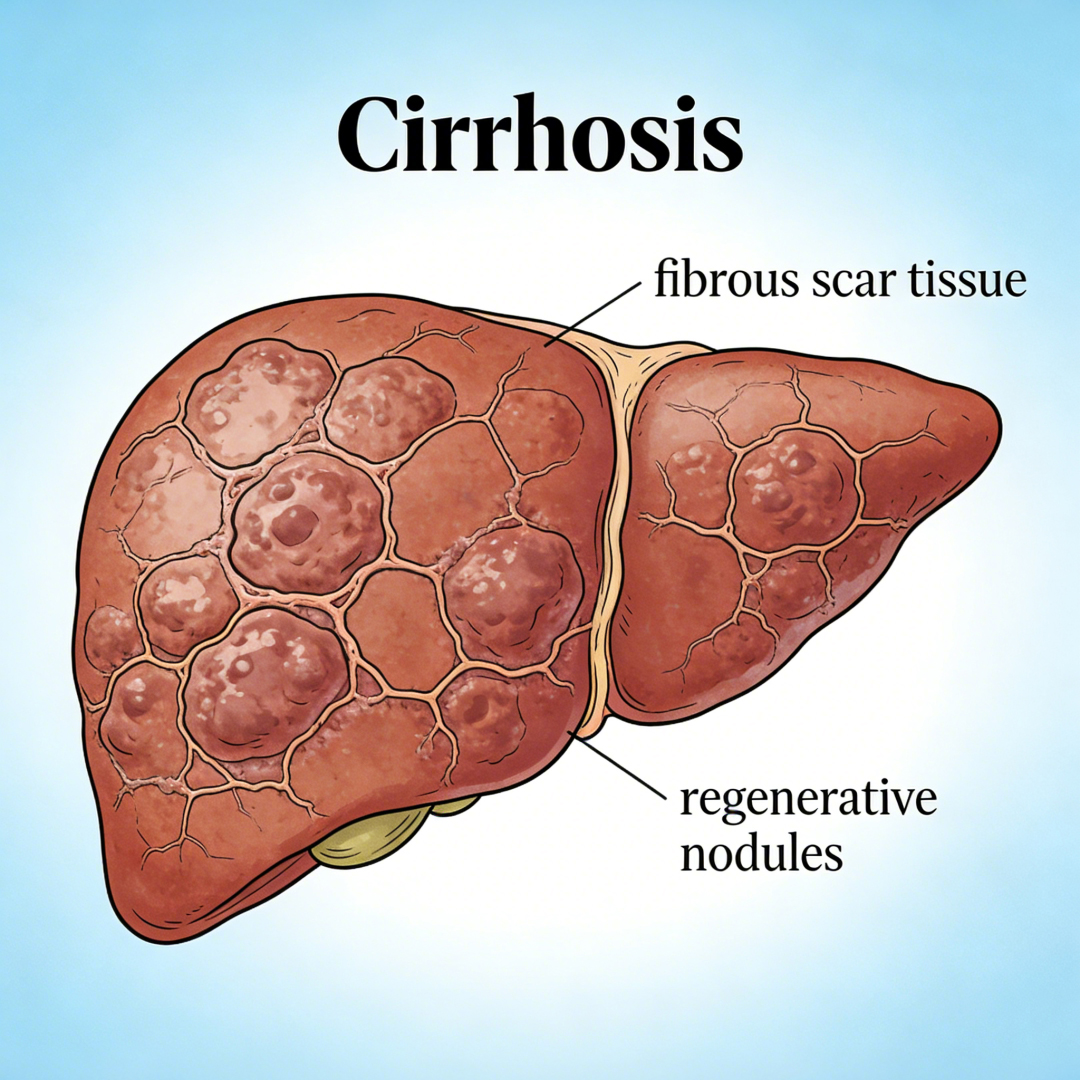
Application areas
• Efficacy testing of antifibrotic drugs (pirfenidone, nintedanib, TGF-β inhibitors, galectin-3 inhibitors)
• Evaluation of hepatoprotective drugs and anti-inflammatory compounds
• Target validation of fibrotic pathways (collagen synthesis, stellate cell activation)
• Biomarker discovery (fibrosis markers, inflammatory mediators)
• Pharmacology and toxicology studies to support IND
Model specifications
scope | Specification |
Species/Strain | vistar rat |
induction method | Repeat oral gavage or intraperitoneal injection of carbon tetrachloride (CCL4) in olive oil vehicle 2-3 times per week for 8-12 weeks |
study time | 8–14 weeks (induction + treatment phase) |
critical endpoint | Body weight, liver gross pathology (weight, appearance), qPCR for fibrosis markers (Colla1, TIMP1, TGF-β) and inflammatory cytokines (IL-6, IL-10, TNF-α), serum biochemistry (ALT, AST, ALP, albumin, bilirubin), histopathology (H&E, Masson trichrome, Sirius Red), hydroxyproline content (optional) |
packet | Raw data, analysis reports, qPCR data, clinical chemistry, histology slides (H&E, Masson), gross pathology images, bioinformatics (optional) |
❓ FAQ
Question: How does CCL4 induce liver cirrhosis in rats?
Answer: CCL4 is metabolically activated by cytochrome P450 in liver cells, producing highly active free radicals (trichloromethyl free radicals), causing lipid peroxidation, hepatocyte necrosis and inflammation. Repeated injury leads to stellate cell activation, excessive extracellular matrix deposition, and progressive fibrosis, ultimately leading to cirrhosis.
Q: What are the key similarities to human cirrhosis?
A: This model exhibits progressive fibrosis, bridging septa, cirrhotic nodule formation, portal hypertension, and biochemical abnormalities (elevated liver enzymes, hypoalbuminemia) similar to those seen in human cirrhosis.
Q: Can this model be used for IND support studies?
Answer: Yes. Studies can be conducted according to GLP principles for regulatory submissions (FDA, EMA).
Q: Do you offer customized study protocols (e.g., different CCL4 doses, routes of administration, combinations with other stimuli)?
Answer: Of course. Our scientific team customizes CCL4 dosing regimens, treatment plans and endpoint analyzes based on your specific drug candidate.


