Model Portfolio Overview
Our skin inflammation animal models are organized across three major induction platforms, each targeting distinct immunological mechanisms relevant to human psoriatic disease:
1. IMQ-Driven TLR7/8 Pathway Models– Imiquimod-based induction in C57BL/6, BALB/c, and Wistar strains, ideal for studying innate immune activation and acute plaque-like pathology.
2. IL-23-Centric Th17 Activation Models – Cytokine-driven models in C57BL/6 mice and SD rats, specifically targeting the IL-23/IL-17 axis central to chronic psoriasis.
3. Combination & Co-Induction Systems – IMQ plus IL-23 or IL-23 plus IL-36 dual-pathway approaches for enhanced disease severity and complex mechanistic studies.
Key Features & Benefits
Broad psoriasis model portfolio – IMQ (TLR7/8 agonist), IL-23 (direct Th17 activation), and combination psoriasis animal models covering different immunological pathways.
Multiple species/strains – C57BL/6, BALB/c mice and Wistar rats available, enabling cross-strain validation and species-specific pharmacology assessment.
Comprehensive endpoints – PASI score, ear thickness, spleen index, body weight, IL-17A levels, skin histopathology (HE), plus optional immunohistochemistry and flow cytometry for deeper mechanistic insights.
Translational value – Ideal for testing biologics (anti-IL-17, anti-IL-23), JAK inhibitors, PDE4 inhibitors, and emerging topical therapies in a physiologically relevant context.
IND-ready data packages – Studies conducted in accordance with GLP principles, delivering regulatory-compliant documentation for FDA and EMA submissions.
Technical Data & Validation
Each psoriasis animal model in our portfolio has been rigorously validated through extensive internal characterization and peer-reviewed publications. The following sections provide detailed technical descriptions of each preclinical psoriasis model, including induction methodology, pathological hallmarks, translational applications, and representative validation data. These psoriasis mouse models and rat platforms are maintained under stringent barrier conditions with standardized protocols to ensure reproducibility across studies and sites.
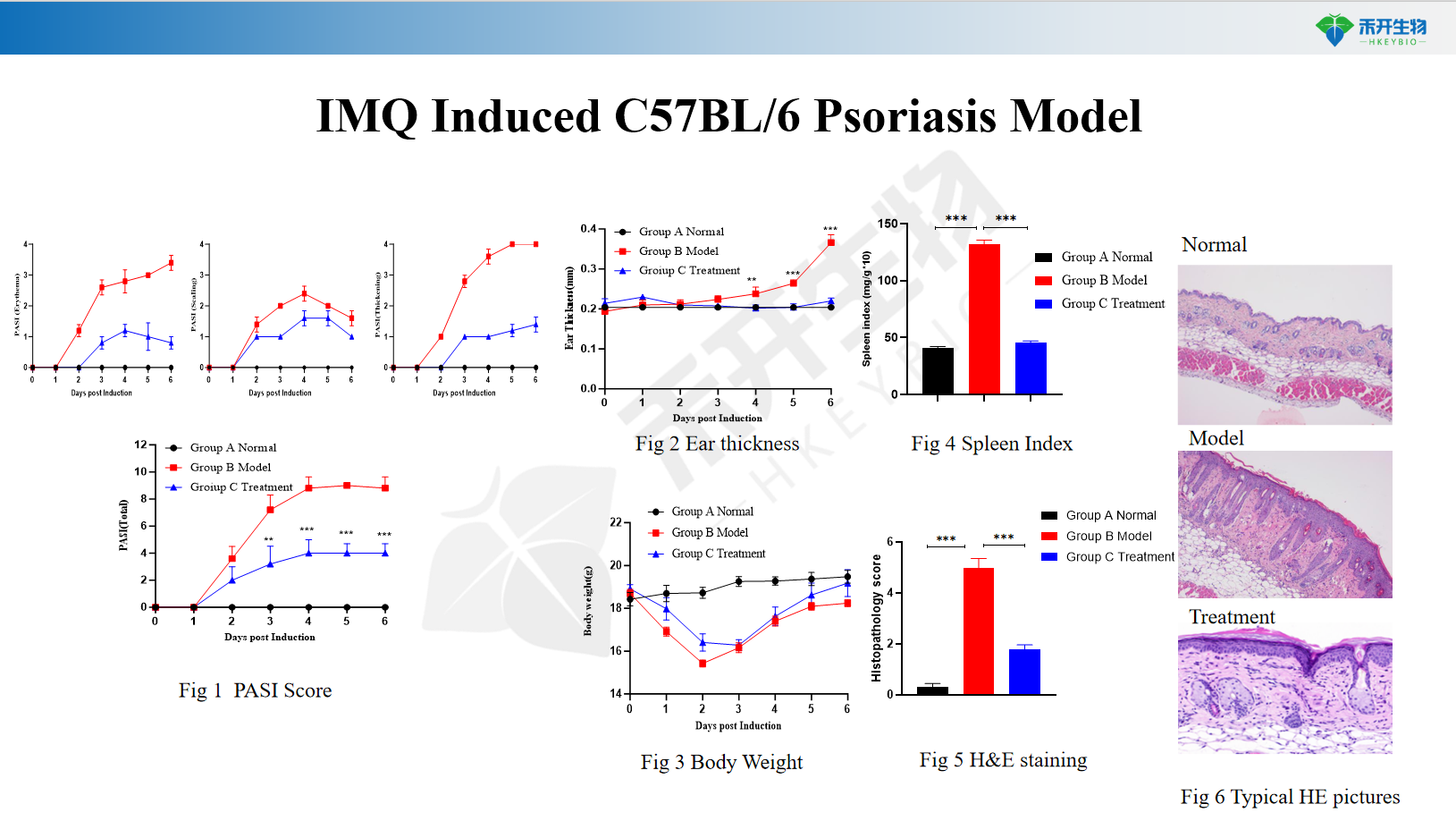
IMQ Induced C57BL/6 Psoriasis Model
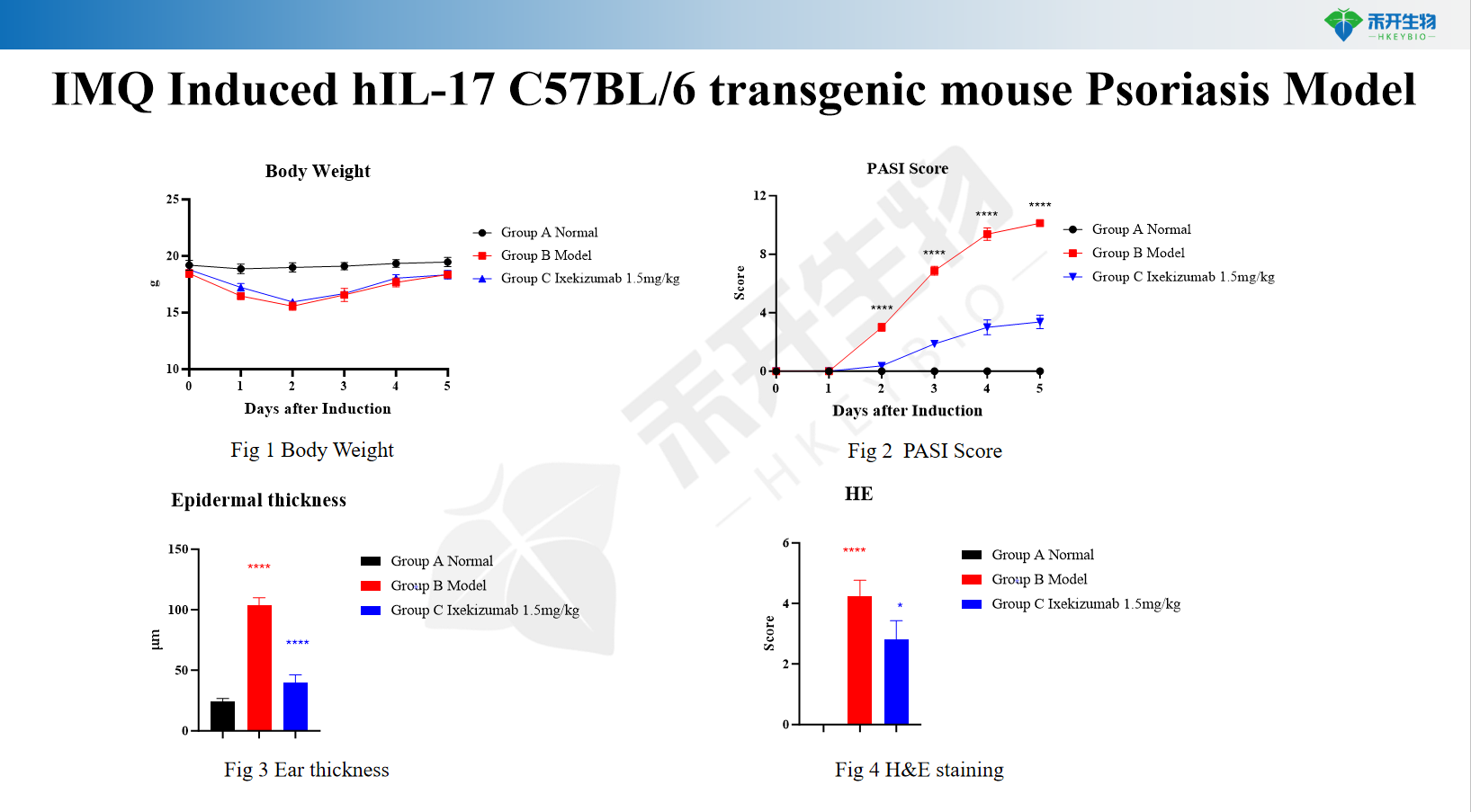
IMQ Induced hIL-17 C57BL/6 transgenic mouse Psoriasis Model
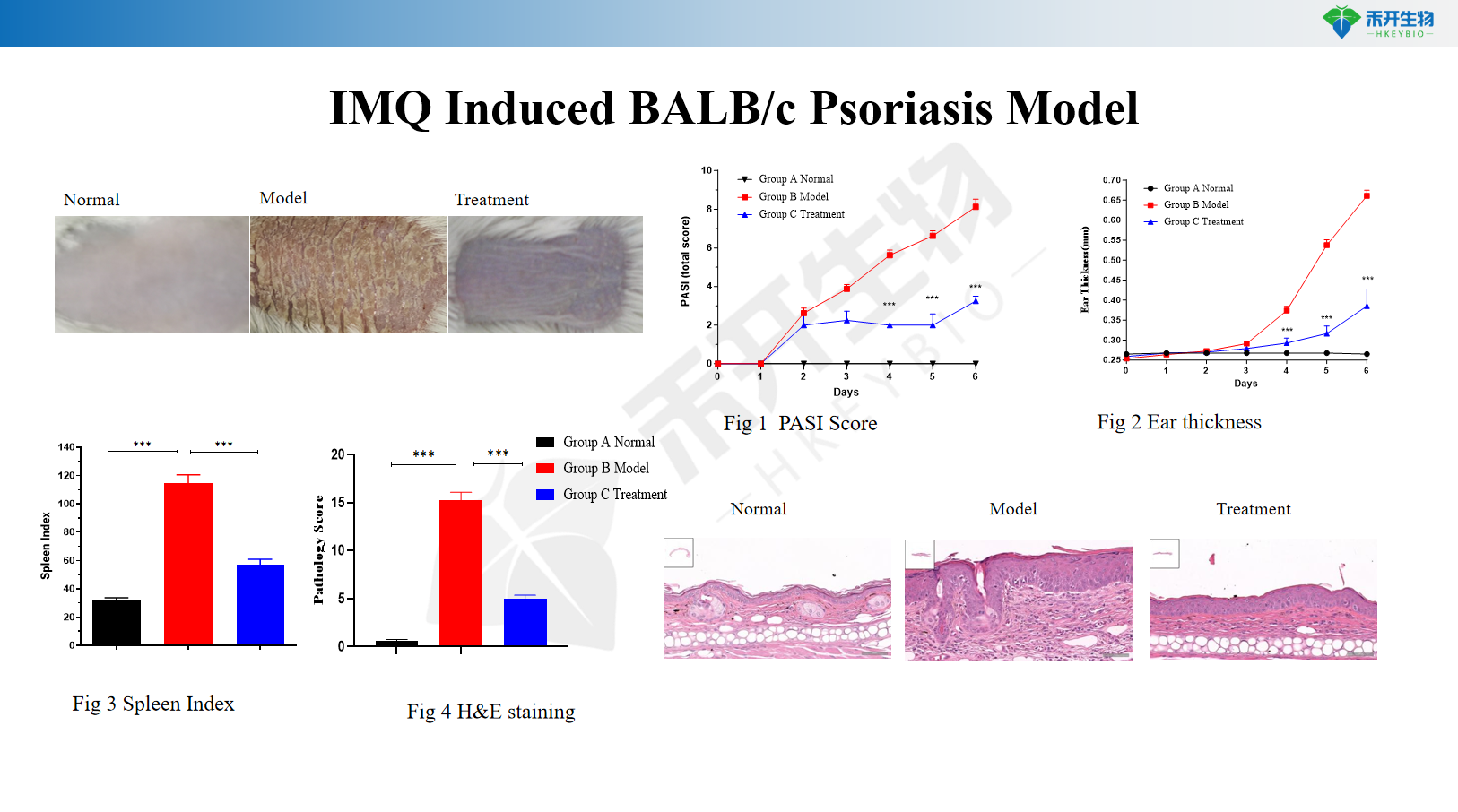
IMQ Induced BALB/c Psoriasis Model
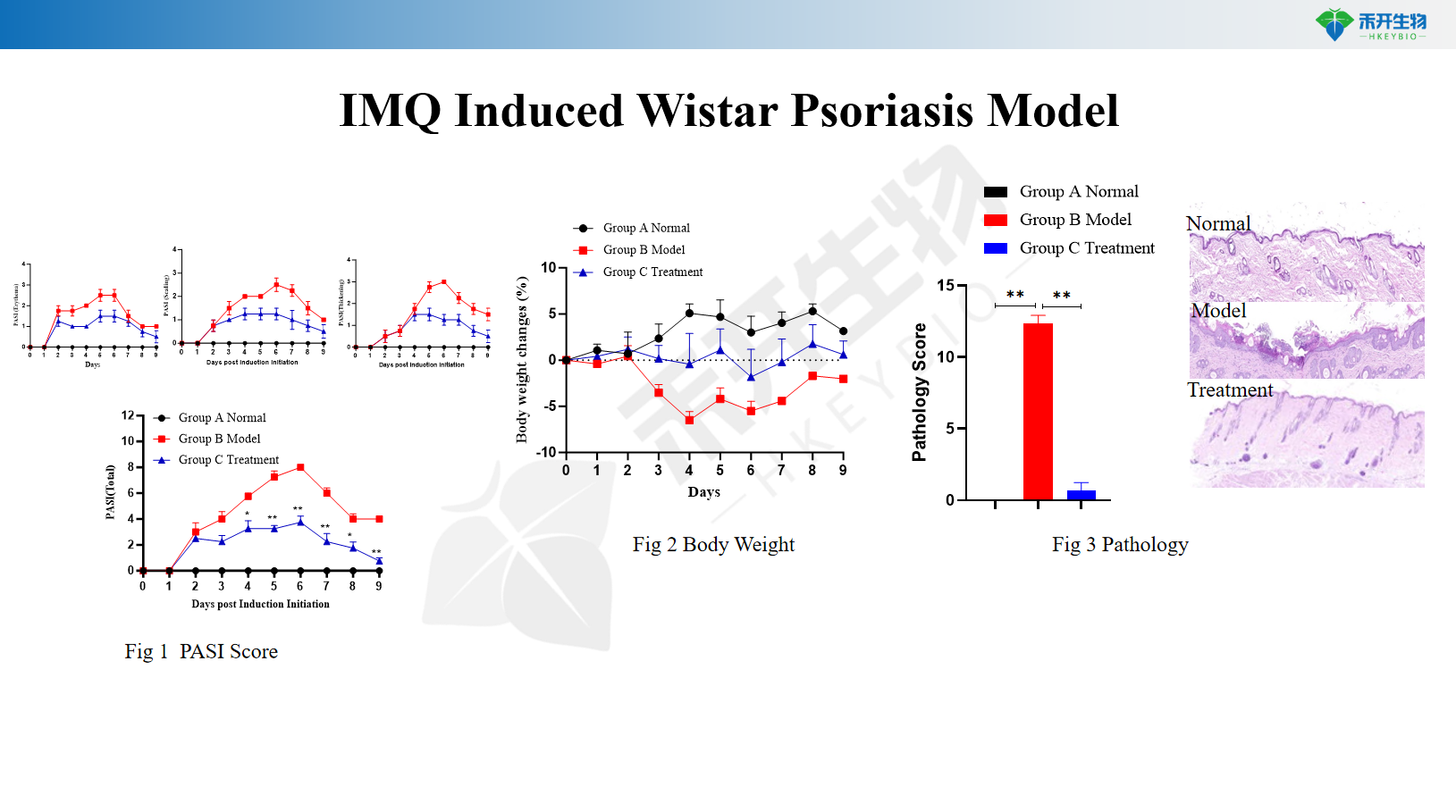
IMQ Induced Wistar Psoriasis Model
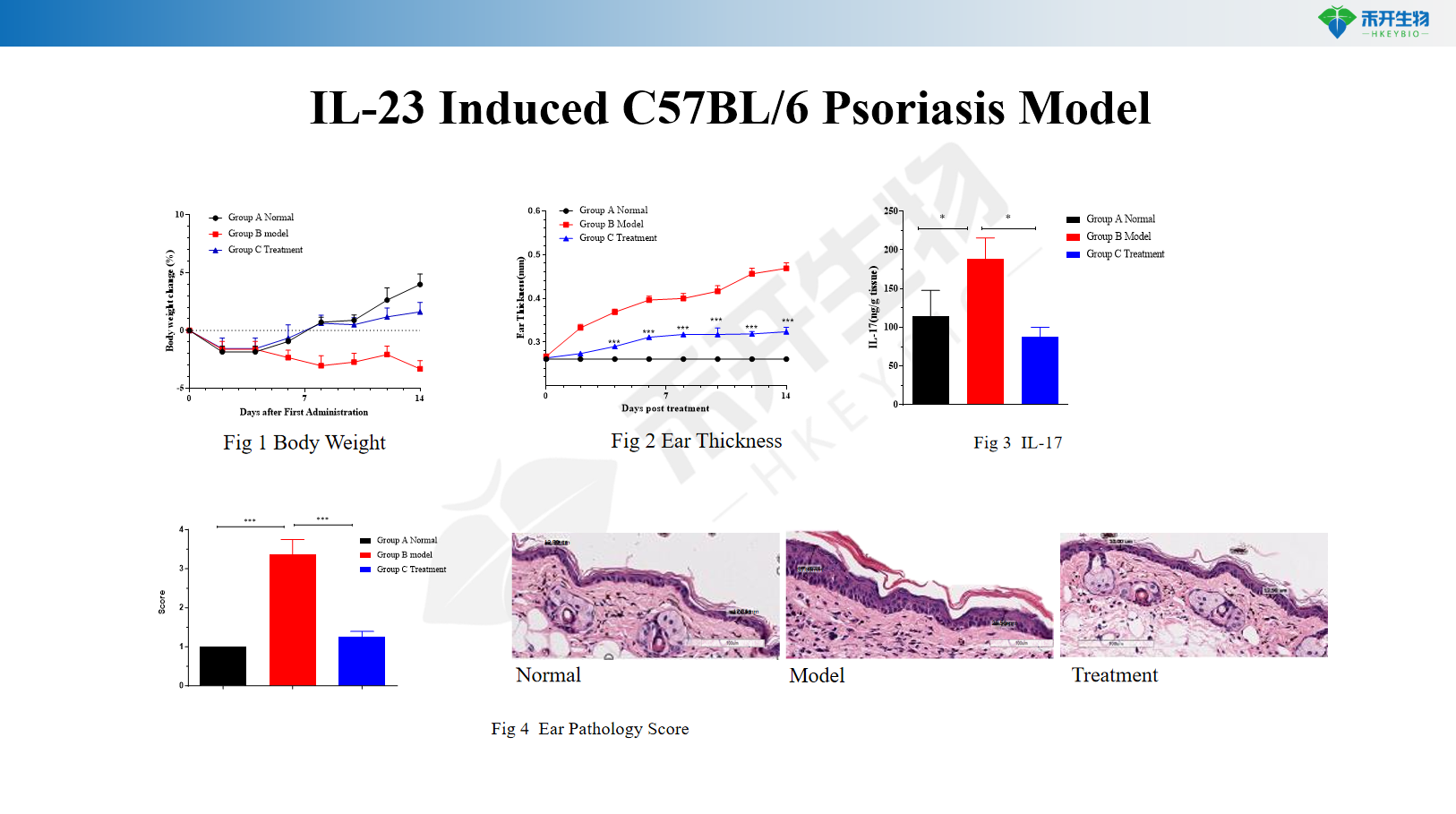
IL-23 Induced C57BL/6 Psoriasis Model
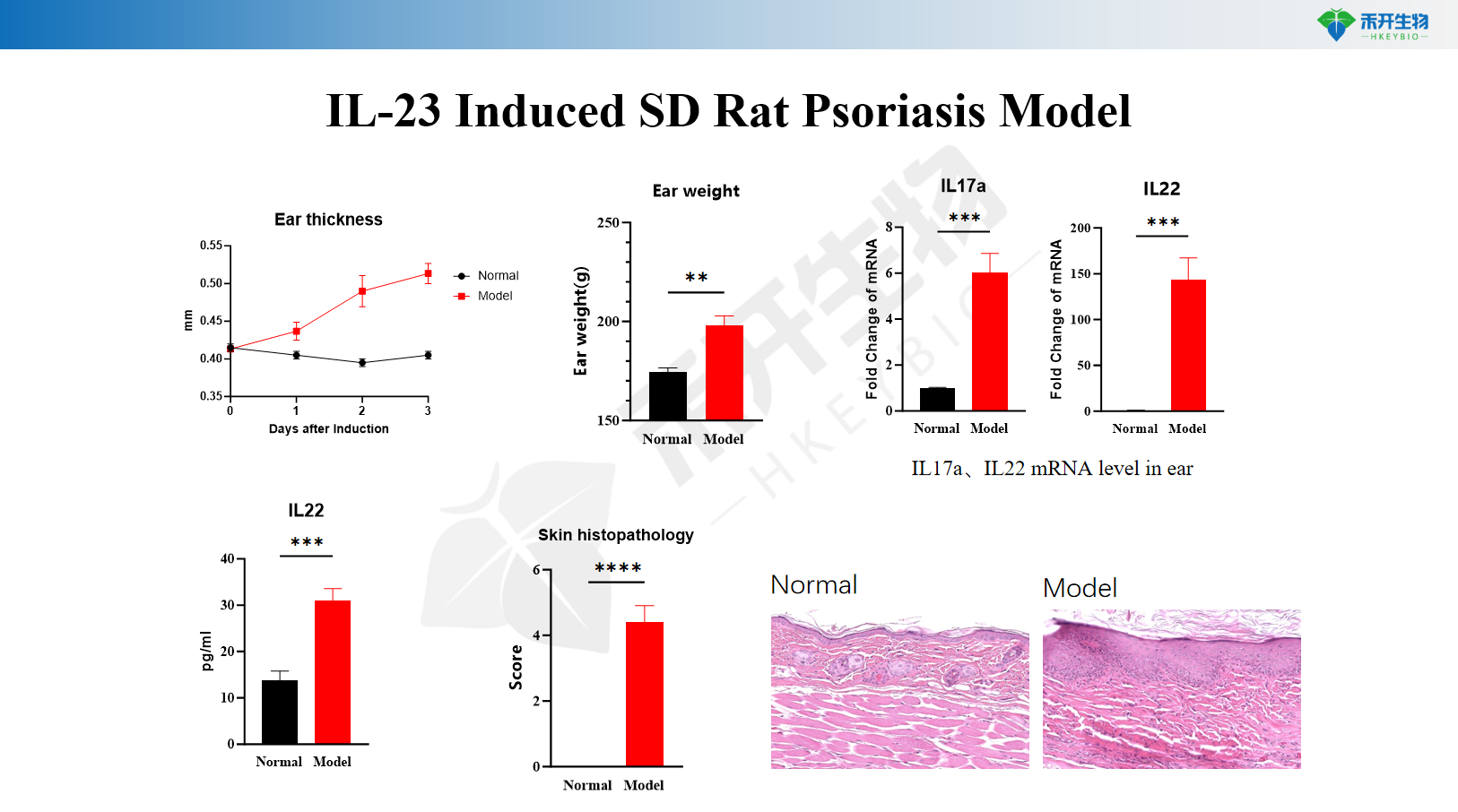
IL-23 Induced SD Rat Psoriasis Model
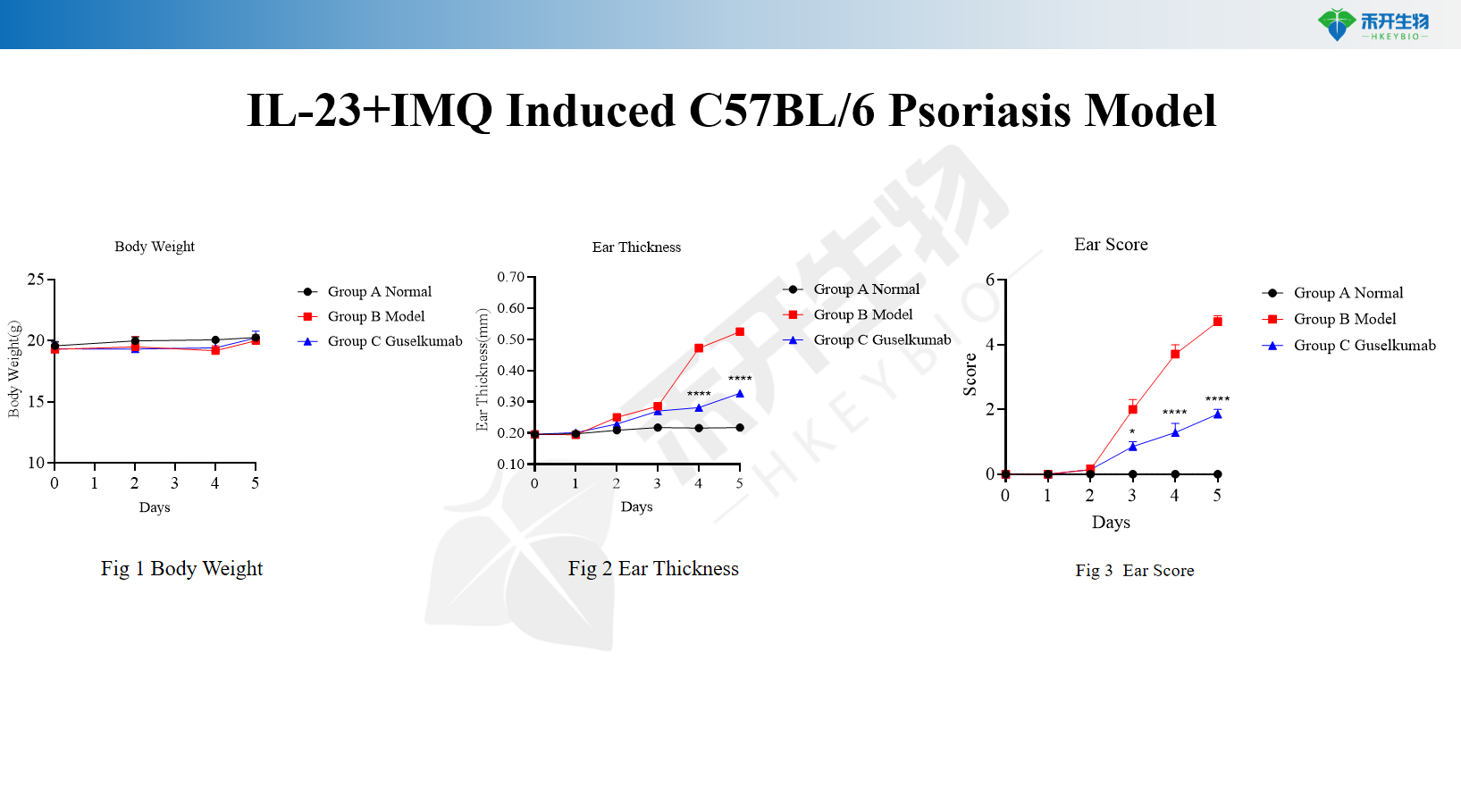
IL-23+IMQ Induced C57BL/6 Psoriasis Model
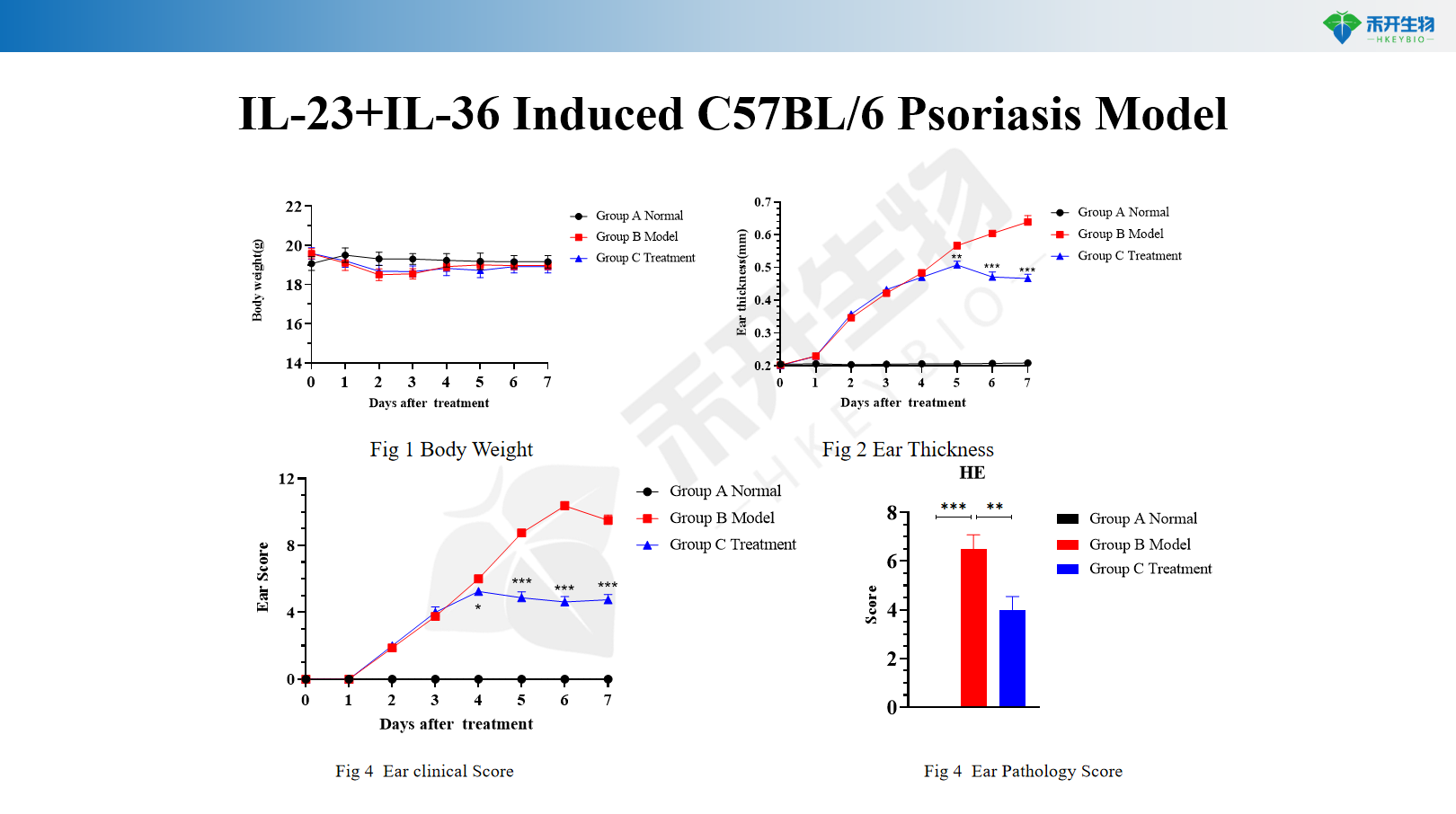
IL-23+IL-36 Induced C57BL/6 Psoriasis Model
Applications
Our psoriasis animal models serve a broad spectrum of drug discovery and development applications, from early target validation through IND-enabling toxicology. The versatility of these preclinical psoriasis models enables sponsors to evaluate diverse therapeutic modalities in a physiologically relevant context. Representative applications include:
• Efficacy testing of biologics targeting IL-17 (secukinumab, ixekizumab), IL-23 (guselkumab, risankizumab), and TNF-α (etanercept, adalimumab) in a physiologically relevant preclinical setting.
• Evaluation of small-molecule inhibitors including JAK inhibitors (tofacitinib, upadacitinib), PDE4 inhibitors (apremilast), TYK2 modulators, and emerging topical therapies entering dermatology pipelines.
• Target validation for Th17, IL-23, and TLR pathways in psoriasis, supporting go/no-go decision-making early in the drug discovery process and informing clinical biomarker strategy.
• Biomarker discovery and characterization (IL-17A quantification, PASI scoring algorithms, histopathology grading systems) to support patient stratification and clinical endpoint selection.
• IND-enabling pharmacology and toxicology studies conducted under GLP principles, providing regulatory agencies with comprehensive, audit-ready data packages for investigational new drug applications.
Model Specifications
Parameter | Specification |
Species/Strains | C57BL/6 mouse, BALB/c mouse, Wistar rat |
Induction methods | Topical IMQ cream (5%) daily for 5–7 days; Intradermal IL-23 injection (single or multiple doses); IMQ + IL-23 combination; IL-23 + IL-36 combination |
Study duration | 5–14 days (IMQ models); 3–7 days (IL-23 models) |
Key endpoints | PASI score (erythema, scaling, thickness), ear thickness, body weight, spleen index, IL-17A levels (ELISA/qPCR), skin histopathology (HE scoring for acanthosis, parakeratosis, inflammatory infiltration), optional: immunohistochemistry, flow cytometry |
| Positive control | Dexamethasone or anti-IL-17 antibody available as reference compounds |
| Data package | Raw data, analysis reports, clinical scores, histology slides, ELISA results, bioinformatics (optional) |
❓ Frequently Asked Questions
Q1: What psoriasis preclinical models do you provide? A1: We have a full range of psoriasis models, including IMQ-induced models in C57BL/6, BALB/c mice and Wistar rats, IL-23-induced model, combined IL-23+IMQ model and IL-23+IL-36 model in C57BL/6 mice.
Q2: What are the mechanisms of these psoriasis models? A2: IMQ activates TLR pathway to trigger psoriasis-like skin lesions. IL-23 induces Th17-related inflammation via γδ T cells. Combined models jointly activate multiple key pathways to simulate complex pathological progress of psoriasis.
Q3: What evaluation indicators are adopted for model assessment? A3: We monitor body weight, ear thickness, PASI score and spleen index clinically. We also detect key cytokines like IL-17A and conduct HE staining to analyze skin pathological changes.
Q4: What are the modeling cycles of different models? A4: IMQ-induced model lasts 6 days; IL-23 single model runs for 14 days; IL-23+IMQ model takes 5 days; IL-23+IL-36 model is completed within 7 days.
Q5: What are the advantages and application scenarios of your models? A5: These models stably recapitulate psoriasis immune and pathological features with distinct phenotypes. They are ideal for efficacy screening, mechanism study and preclinical evaluation of anti-psoriasis drugs and topical therapeutics


