Key Features & Benefits
Broad disease coverage – Xenogeneic (human PBMC), allogeneic MHC-mismatched acute, and chronic lupus-like GVHD models available.
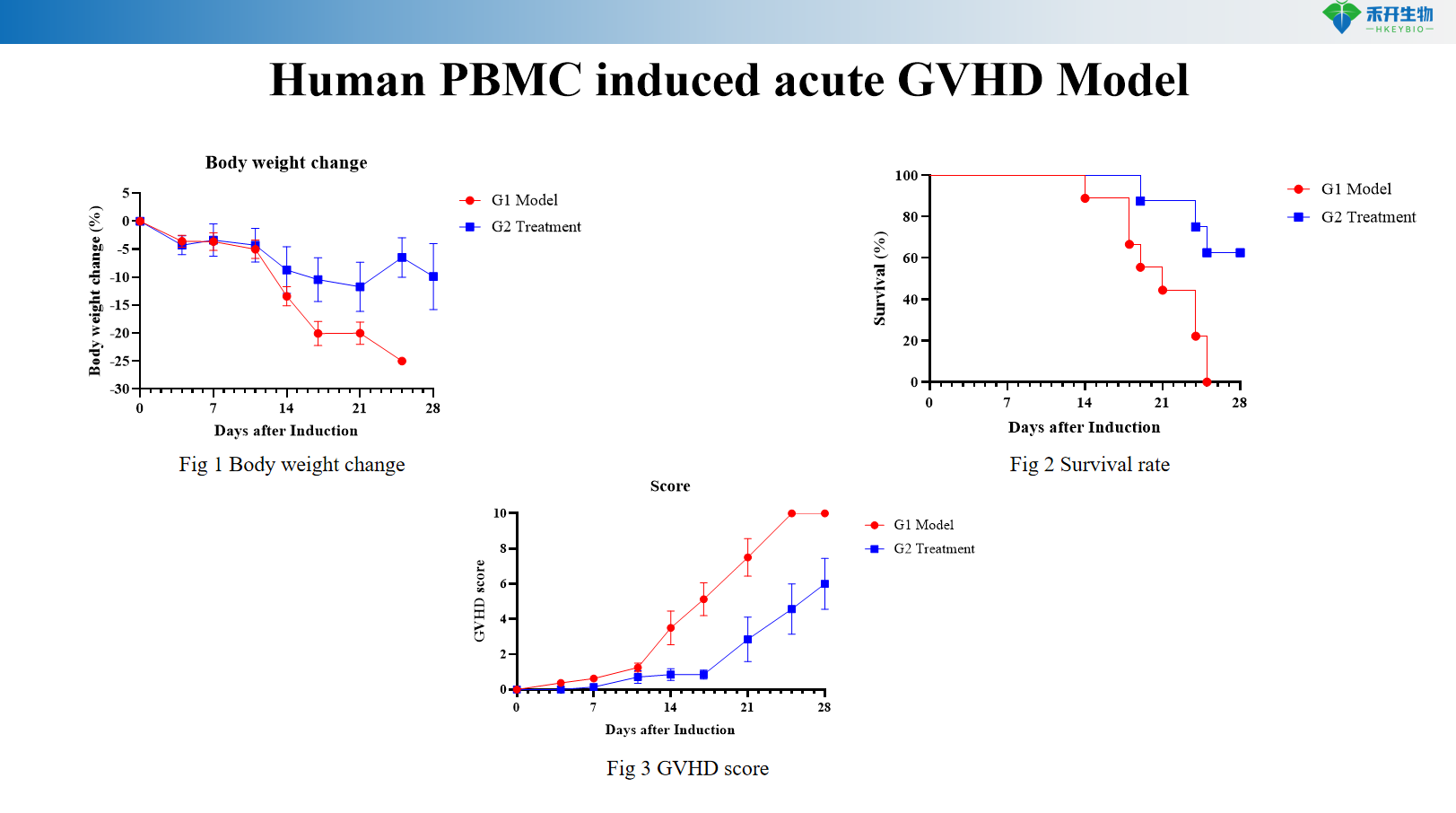
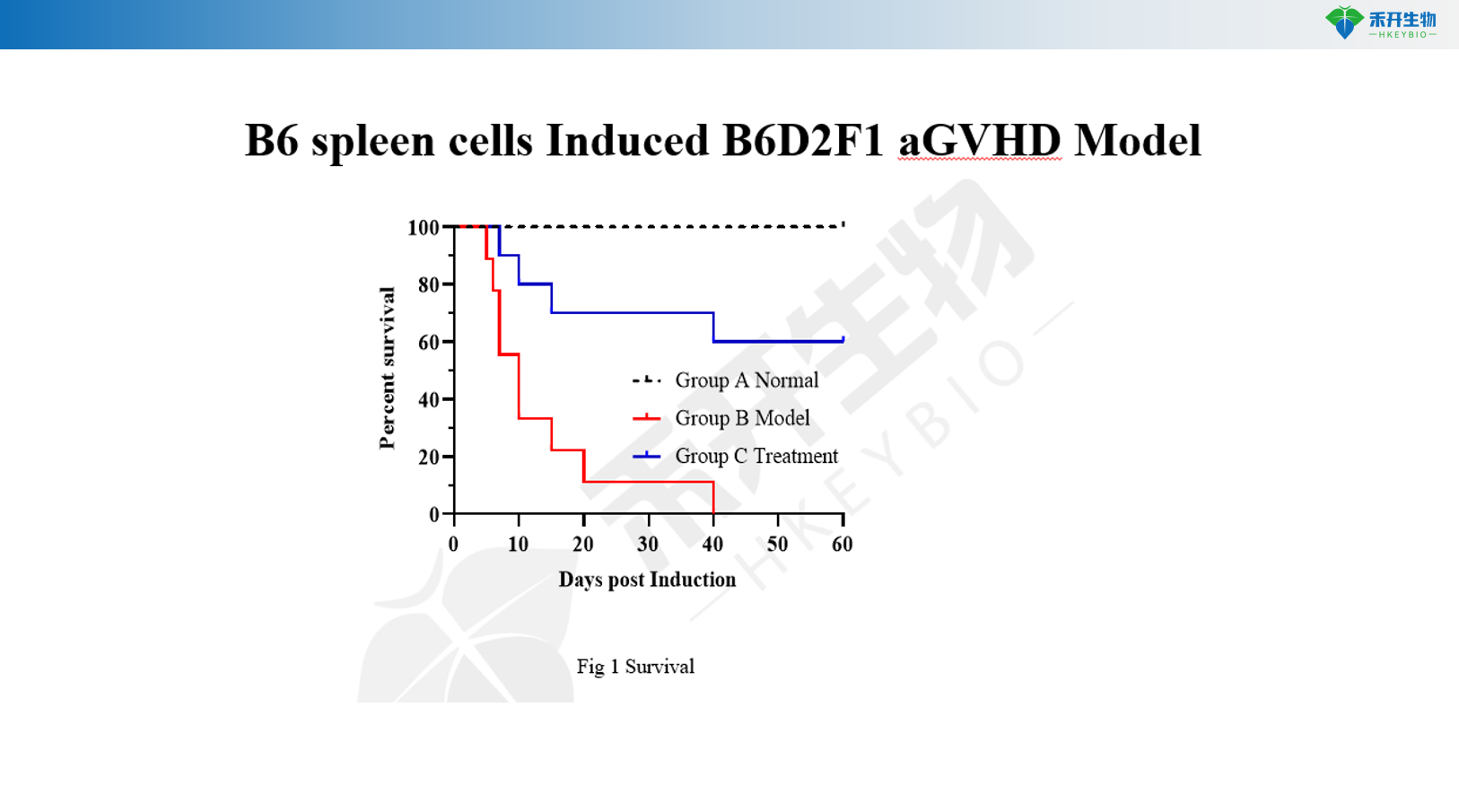
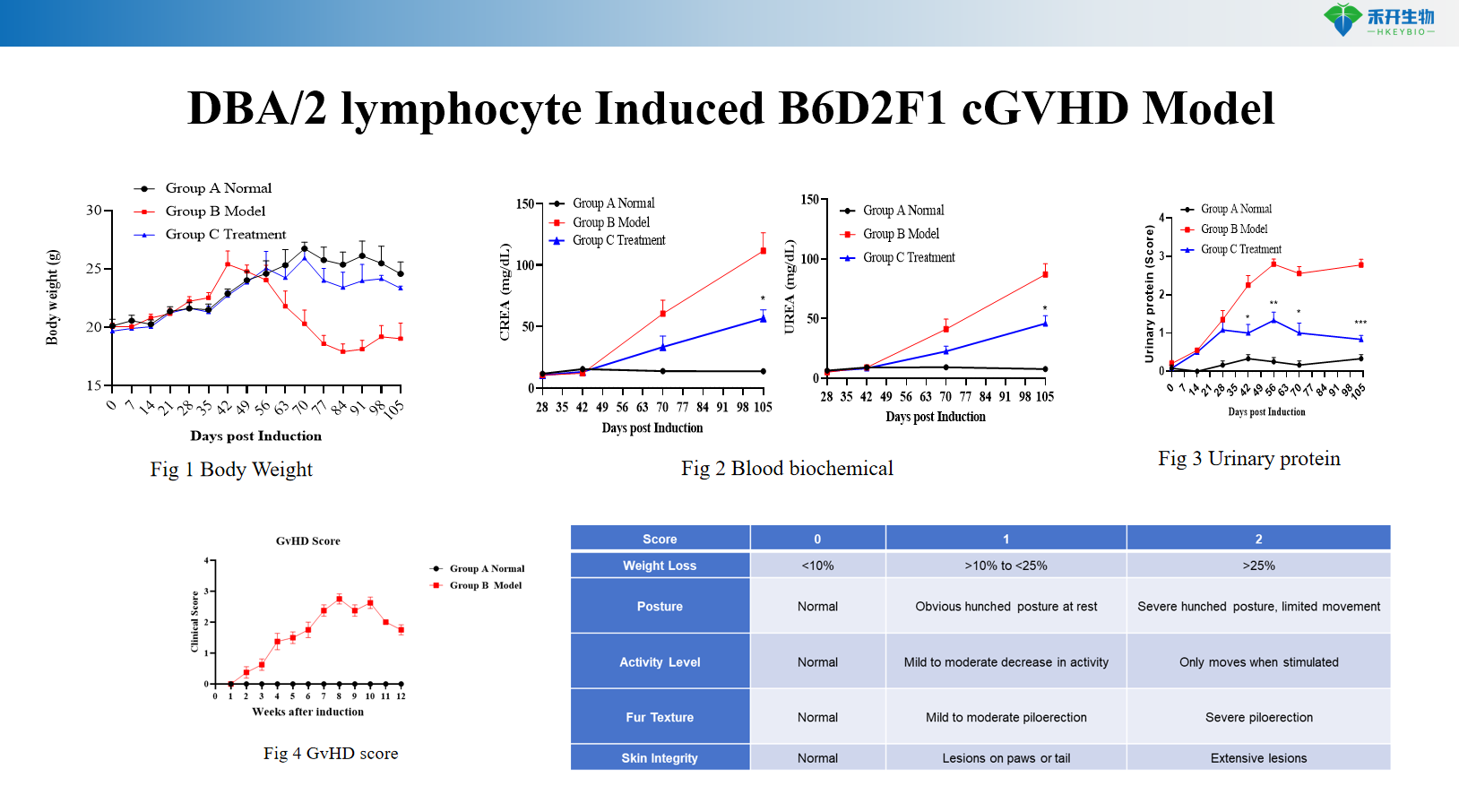
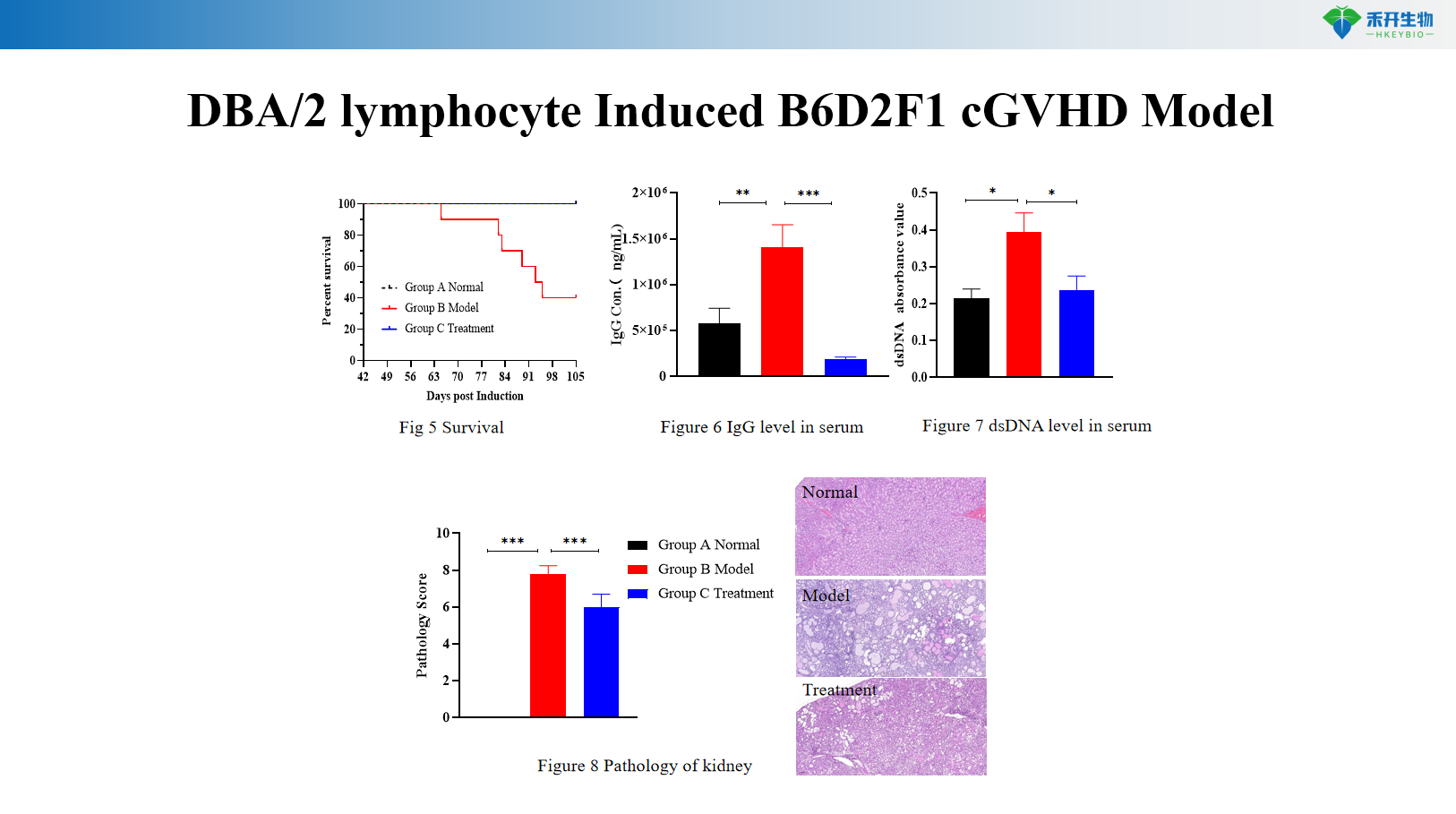
Quantifiable endpoints – Body weight, survival rate, GVHD clinical score (0-10 scale with posture, activity, fur, skin), serum autoantibodies (anti-dsDNA, IgG), proteinuria, histopathology.
Mechanism-driven – Human PBMC model for human-specific therapeutics; allogeneic models for T cell-mediated GVHD; chronic model for autoantibody-mediated pathology.
Translational value – Ideal for testing immunosuppressants (calcineurin inhibitors, mTOR inhibitors), biologics (anti-TNF, anti-IL-6R), and cell-based therapies.
IND-ready data packages – Studies can be conducted in accordance with GLP principles.
Technical Data & Validation
Human PBMC induced acute GVHD Model
B6 spleen cells Induced B6D2F1 aGVHD Model
DBA/2 lymphocyte Induced B6D2F1 cGVHD Model
Applications
• Efficacy testing of immunosuppressants (tacrolimus, cyclosporine, mycophenolate mofetil, mTOR inhibitors) for GVHD prevention and treatment
• Evaluation of biologics targeting T cells (anti-CD3, anti-CD4), cytokines (anti-IL-6R, anti-TNF), and co-stimulation pathways (CTLA-4-Ig)
• Testing of cell-based therapies (Tregs, MSCs) and antibody-depleting strategies
• Target validation for T cell activation, autoantibody production, and multi-organ pathology
• IND-enabling pharmacology and toxicology studies
Model Specifications
Parameter | Human PBMC aGVHD Model | B6 → B6D2F1 aGVHD Model | DBA/2 → B6D2F1 cGVHD Model |
Species/Strain | NSG mouse (recipient) | B6 → B6D2F1 | DBA/2 → B6D2F1 |
Disease type | Acute (xenogeneic) | Acute (allogeneic) | Chronic (lupus-like) |
Key endpoints | Body weight, survival, GVHD score | Survival, GVHD score | Body weight, survival, GVHD score, serum IgG, anti-dsDNA, proteinuria, blood biochemistry, kidney pathology |
❓ Frequently Asked Questions
Q1: What GVHD models do you provide? A1: We offer three mature models: human PBMC-induced acute GVHD in NSG mice, B6 spleen cell-induced acute GVHD in B6D2F1 mice, and DBA/2 lymphocyte-induced chronic GVHD in B6D2F1 mice.
Q2: What are the core mechanisms of these models? A2: Donor immune cells recognize recipient alloantigens or xenoantigens, get activated and trigger systemic inflammation and multi-organ damage. They perfectly recapitulate the pathological features of clinical acute and chronic GVHD.
Q3: What evaluation indicators are used for assessment? A3: We monitor body weight, survival rate and GVHD clinical scores. For chronic GVHD, we also detect serum dsDNA, IgG and urinary protein, plus renal pathological analysis.
Q4: What are the modeling cycles and key operations? A4: The hPBMC aGVHD model lasts 28 days with 1Gy irradiation before cell injection. The B6 spleen cell aGVHD model runs for 60 days. The cGVHD model takes up to 15 weeks after lymphocyte transplantation.
Q5: What are the advantages and application scenarios? A5: These models show stable disease phenotypes and high reproducibility. They are ideal for preclinical efficacy screening, mechanism research and safety evaluation of drugs for preventing and treating acute and chronic GVHD.


