Main features and benefits
Extensive model portfolio – spontaneous models (MRL/lpr), chemical models (phytane model), TLR driven models (imiquimod), antigen driven models (ALD-DNA, apoptotic cells) and humanized models.
Multiple strains - MRL/lpr, C57BL/6, BALB/c and humanized mice are available.
Composite endpoint – body weight, lymphadenopathy/spleen/kidney index, anti-dsDNA, proteinuria, serum CREA/LDH/AST, renal histopathology (HE, IgG deposition), flow cytometry (B cells, plasma cells, T cells).
Translational Value – Ideal for testing immunosuppressants, biologics (anti-CD20, anti-IFNAR), TLR inhibitors, and B-cell targeted therapies.
IND Ready Packet – Research can be conducted in accordance with GLP principles.
Technical data and verification
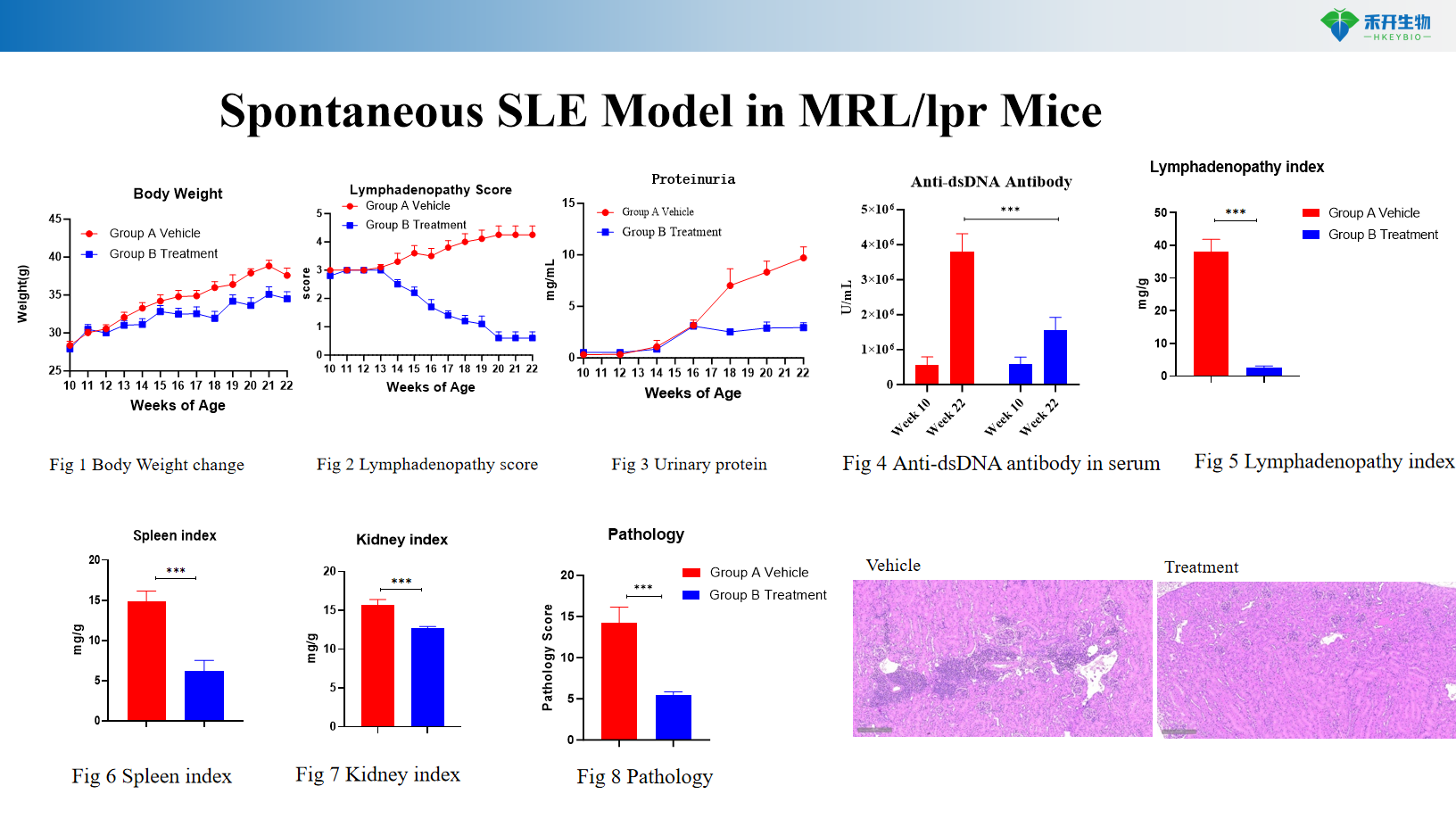
MRL/lpr mouse spontaneous SLE model
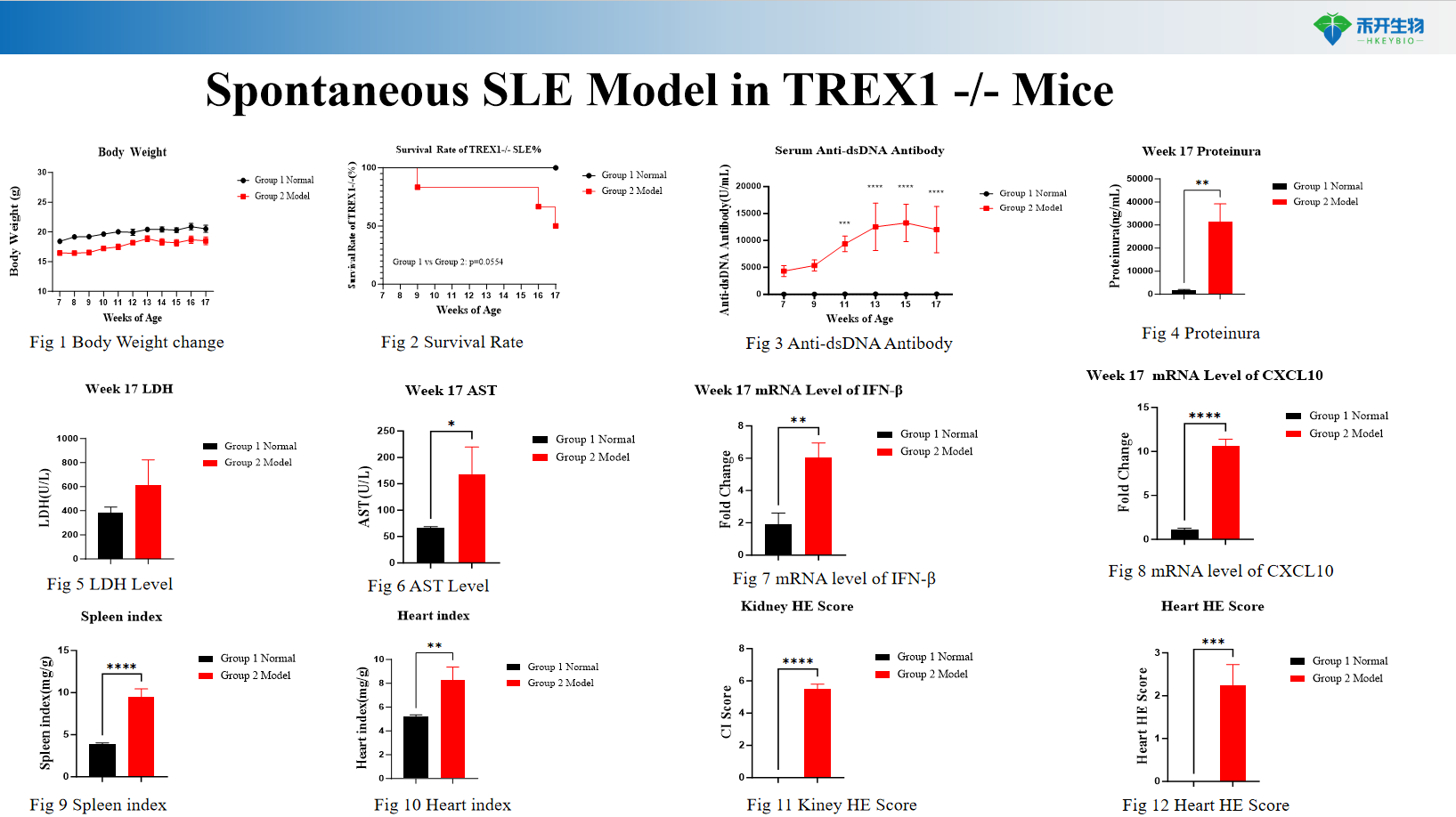
TREX1 -/- Mouse Spontaneous SLE Model
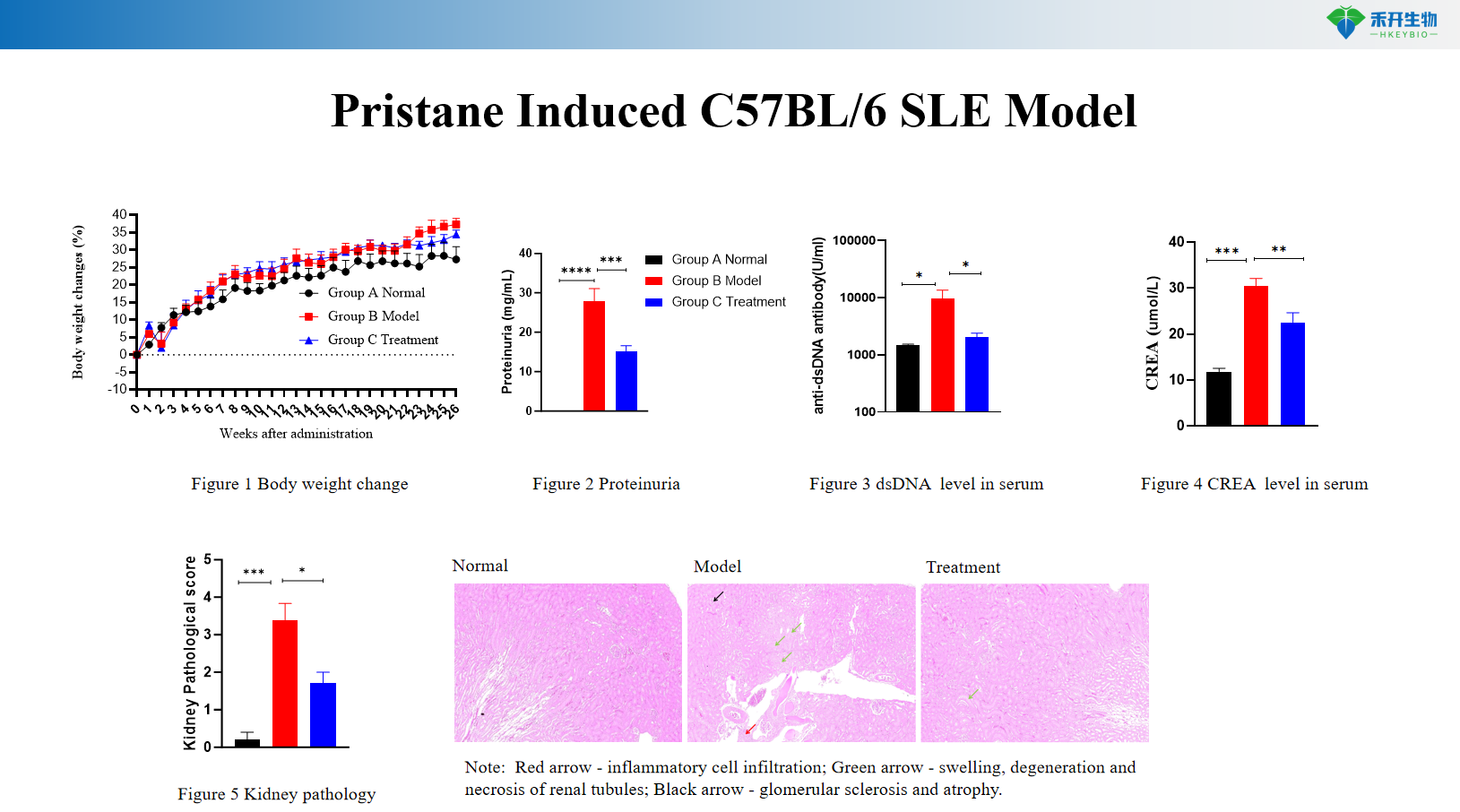
Phytane-induced C57BL/6 SLE model
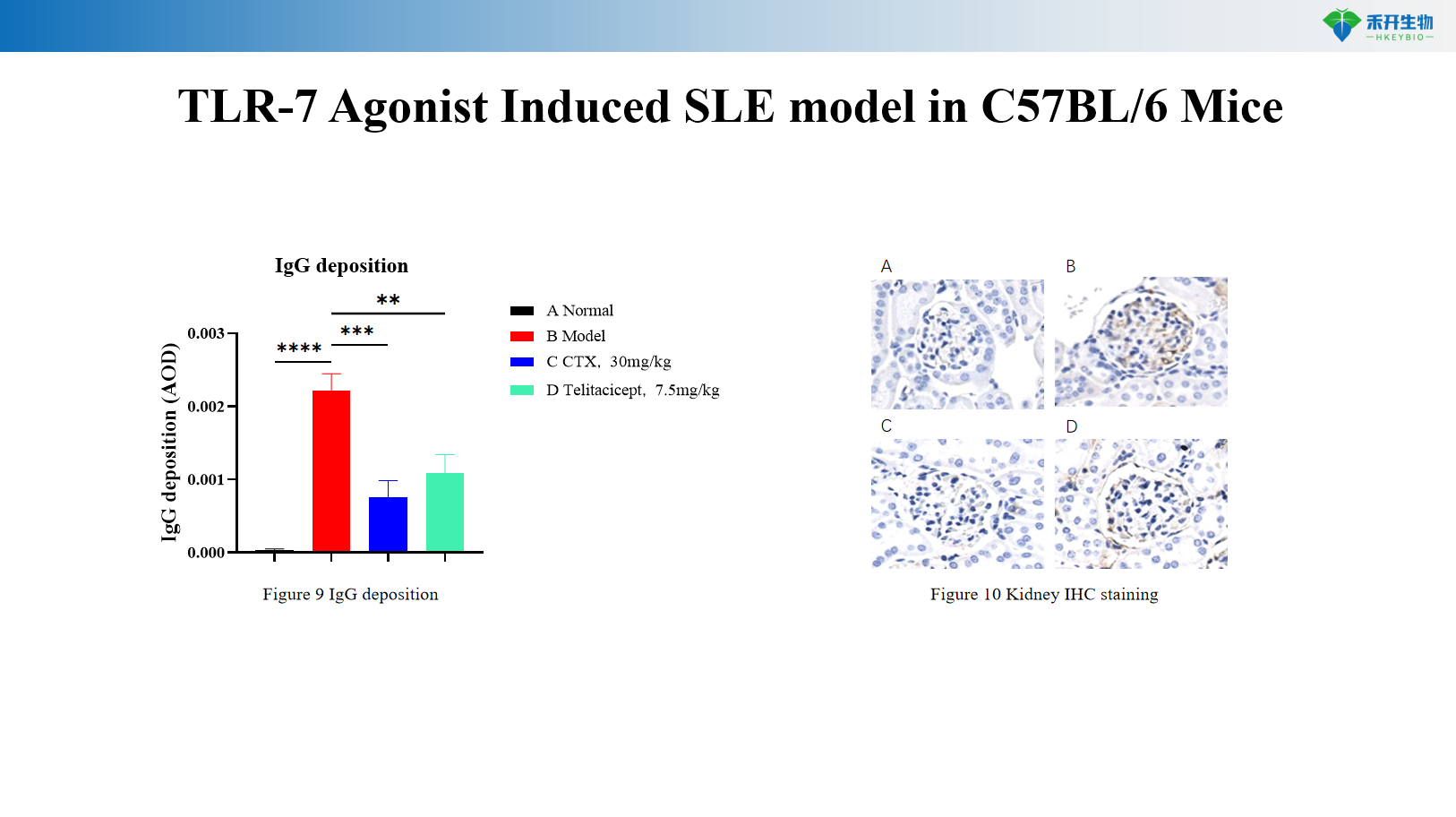
TLR-7 agonist induces SLE model in C57BL/6 mice
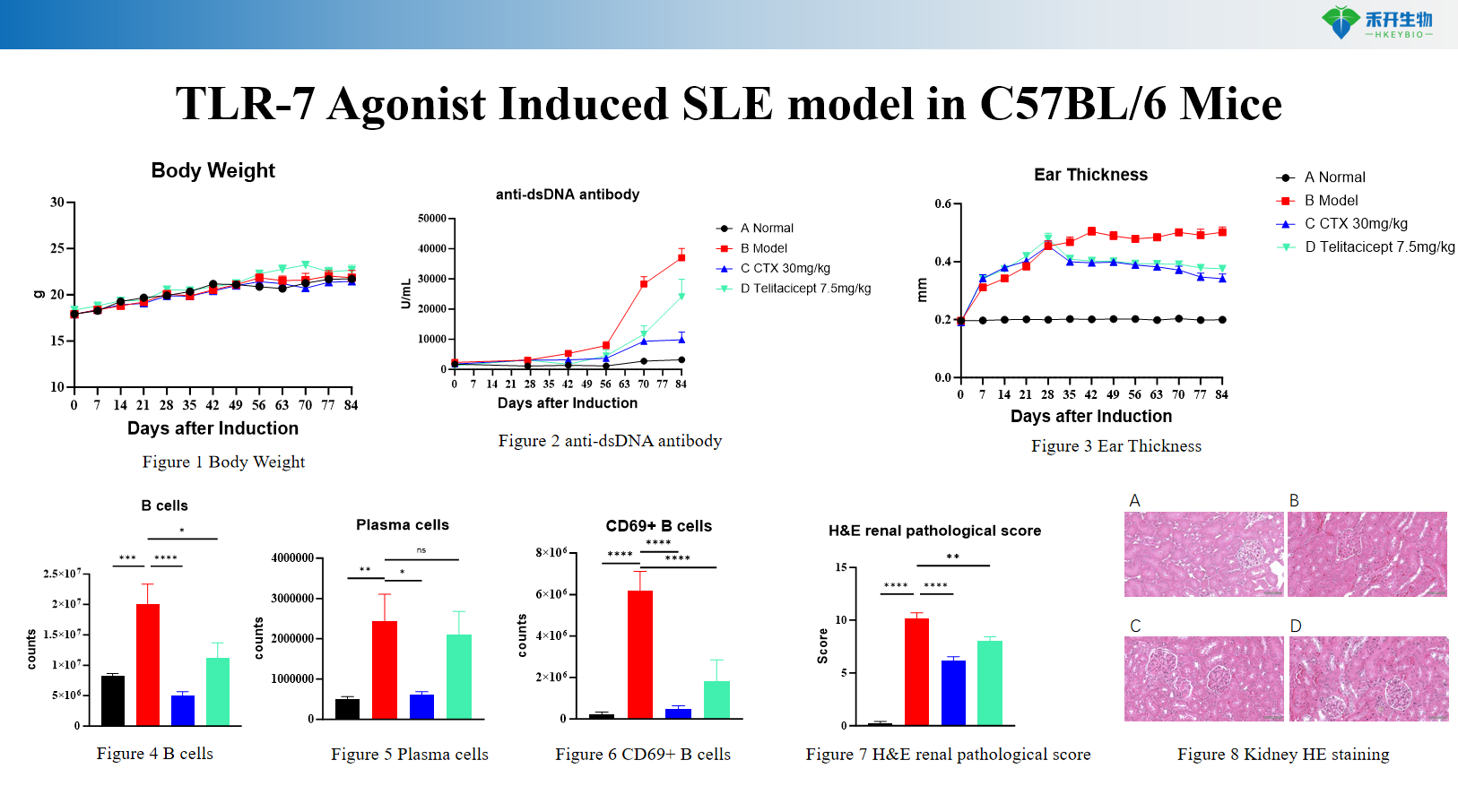
TLR-7 agonist induces SLE model in C57BL/6 mice
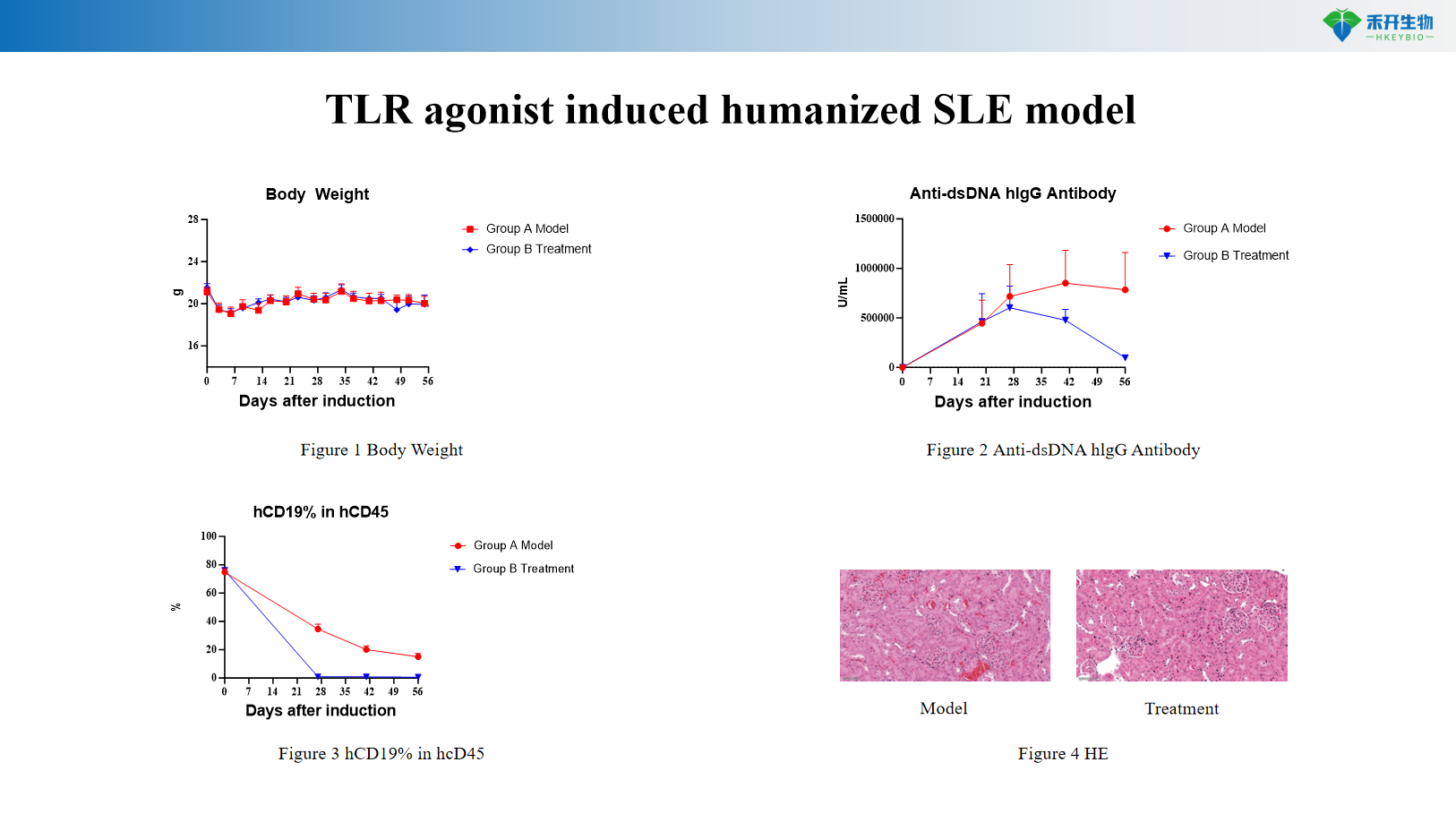
TLR agonist-induced humanized SLE model
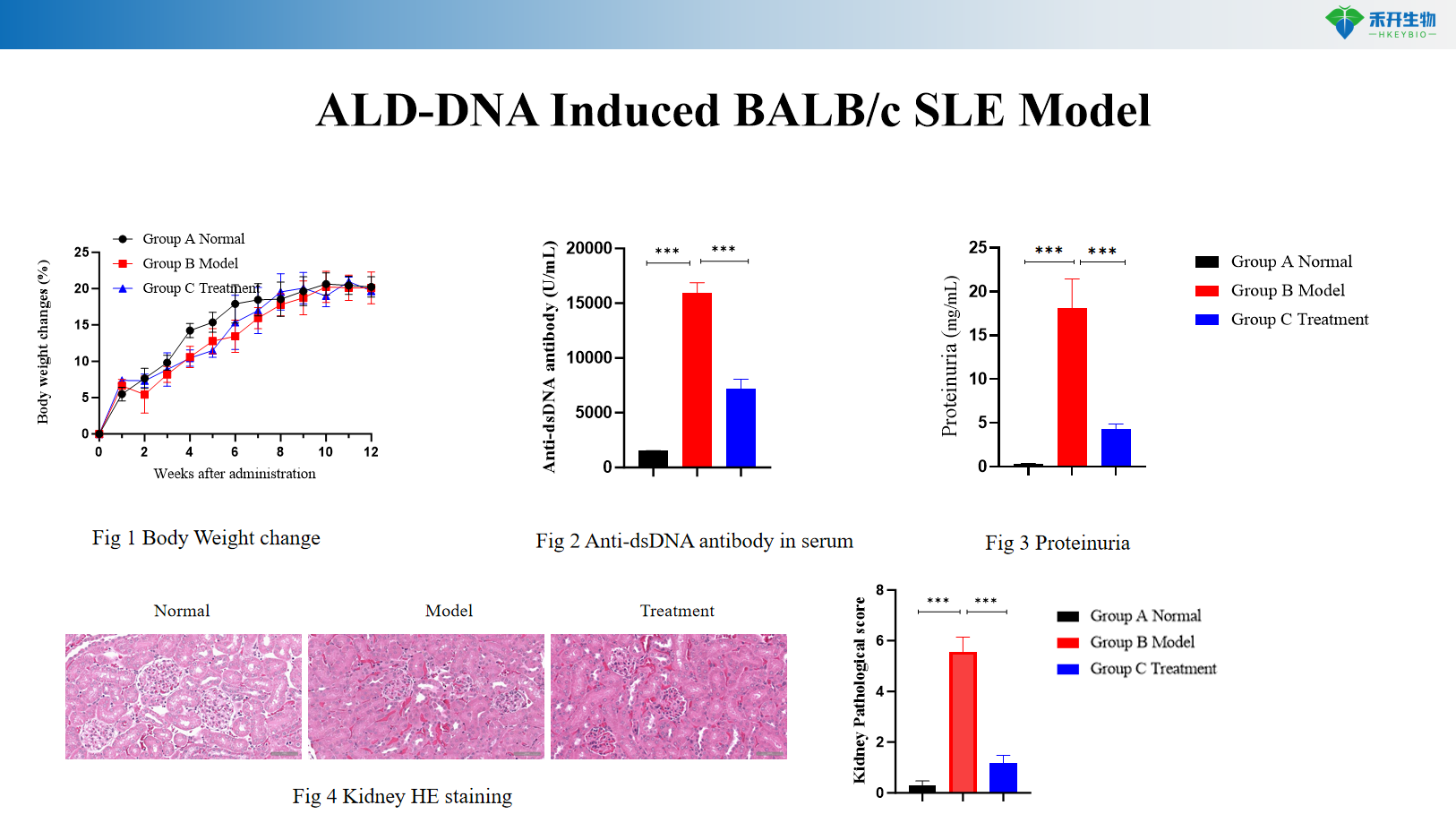
ALD-DNA-induced BALB/c SLE model
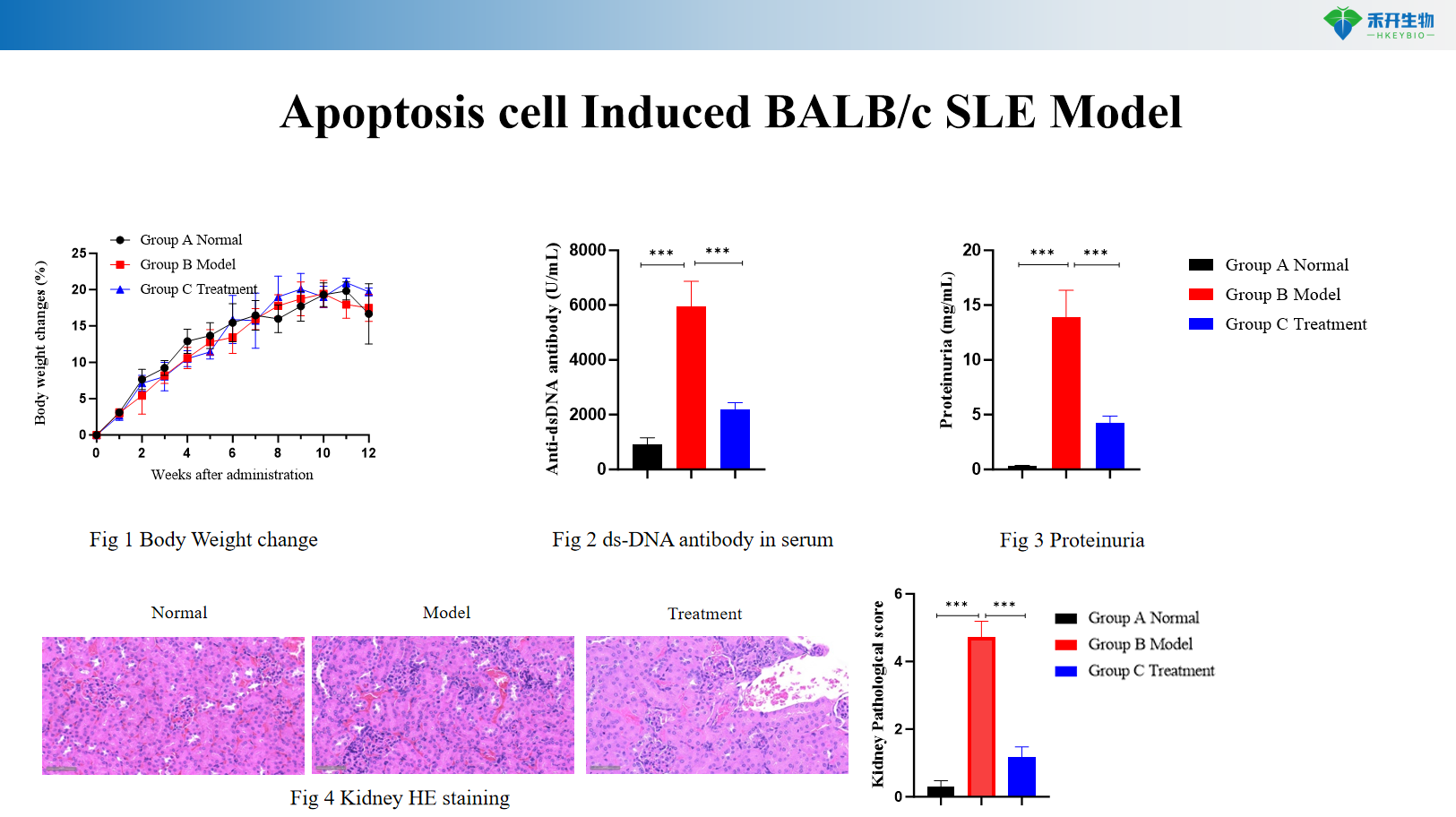
Apoptosis-induced BALB/c SLE model
Application areas
• Efficacy testing of immunosuppressants (cyclophosphamide, mycophenolate mofetil, corticosteroids) and biologics (anti-CD20, anti-BAFF, anti-IFNAR)
• Evaluation of TLR7/9 inhibitors, JAK inhibitors, and B-cell targeted therapies
• Target validation of autoantibody production, type I interferon characterization, and nephritis pathways
• Biomarker discovery (anti-dsDNA, proteinuria, cytokine signature)
• Pharmacology and toxicology studies to support IND
Model specifications
scope | Specification |
Species/Strain | MRL/lpr, C57BL/6, BALB/c, humanized mice |
induction method | Spontaneous (Fas mutation); original IP; topical imiquimod (TLR-7 agonist); ALD-DNA or apoptotic cell immunity |
study time | Spontaneous: 12-20 weeks; induced: 4-16 weeks, depending on model |
critical endpoint | Body weight, lymphadenopathy/spleen/kidney index, serum anti-dsDNA antibodies, proteinuria, serum CREA/LDH/AST, renal histopathology (HE, IgG/IgM deposition), flow cytometry (B cells, plasma cells, T cells), type I interferon signature (ISG expression) |
| positive control | Cyclophosphamide or mycophenolate mofetil can be used as reference compounds |
| packet | Raw data, analysis reports, clinical chemistry, histology slides, flow cytometry files, bioinformatics (optional) |
❓ FAQ
Q: What is the difference between the spontaneous SLE model and the induced SLE model?
A: Spontaneous model (MRL/lpr) disease occurs naturally over time, mimicking chronic progressive SLE. Inducible models (norphytane, TLR-7, ALD-DNA) provide faster, synchronized onset of action and allow study of specific triggers. Humanized models enable the evaluation of human-specific biologics.
Q: Which model is best for testing anti-IFNAR biologics?
A: The norphytane and TLR-7 agonist models exhibit strong type I interferon characteristics, making them suitable for evaluating anti-IFNAR antibodies such as anifrolumab.
Q: Can these models be used for IND support studies?
Answer: Yes. Studies can be conducted according to GLP principles for regulatory submissions (FDA, EMA).
Q: Do you offer customized study protocols (e.g., different induction doses, treatment times)?
Answer: Of course. Our scientific team tailors induction protocols, treatment plans and endpoint analyzes for your specific drug candidate.
Q: What is the typical timeline for a pilot efficacy study?
A: Induced model: 4-16 weeks; spontaneous MRL/lpr: 12-20 weeks. Humanized models require additional time for immune reconstitution.


