Key Features & Benefits
Broad model portfolio – Spontaneous (MRL/lpr), chemical (pristane), TLR-driven (imiquimod), antigen-driven (ALD-DNA, apoptotic cells), and humanized models.
Multiple strains – MRL/lpr, C57BL/6, BALB/c, and humanized mice available.
Comprehensive endpoints – Body weight, lymphadenopathy/spleen/kidney indices, anti-dsDNA, proteinuria, serum CREA/LDH/AST, renal histopathology (HE, IgG deposition), flow cytometry (B cells, plasma cells, T cells).
Translational value – Ideal for testing immunosuppressants, biologics (anti-CD20, anti-IFNAR), TLR inhibitors, and B cell‑targeted therapies.
IND-ready data packages – Studies can be conducted in accordance with GLP principles.
Technical Data & Validation
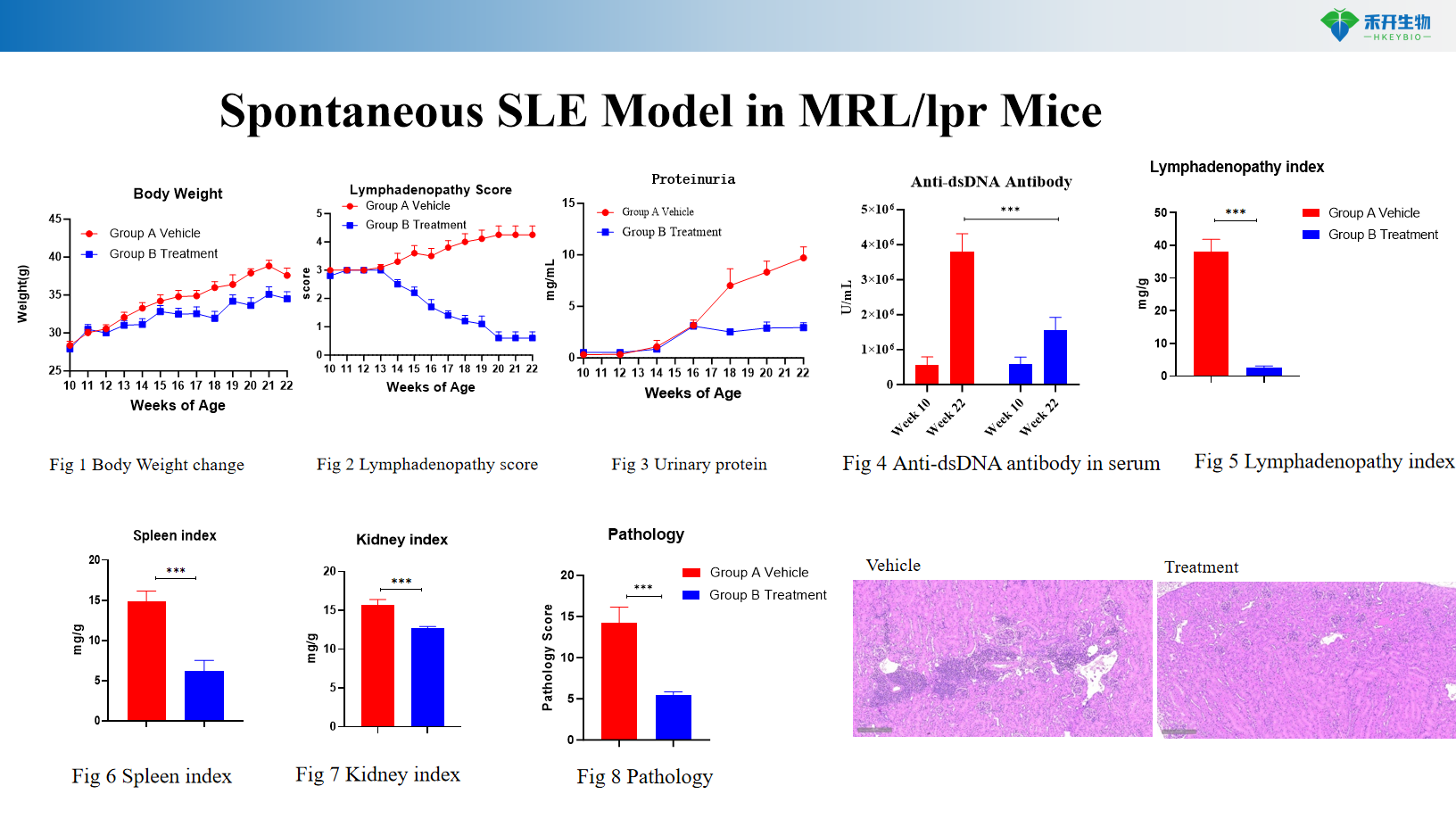
Spontaneous SLE Model in MRL/lpr Mice
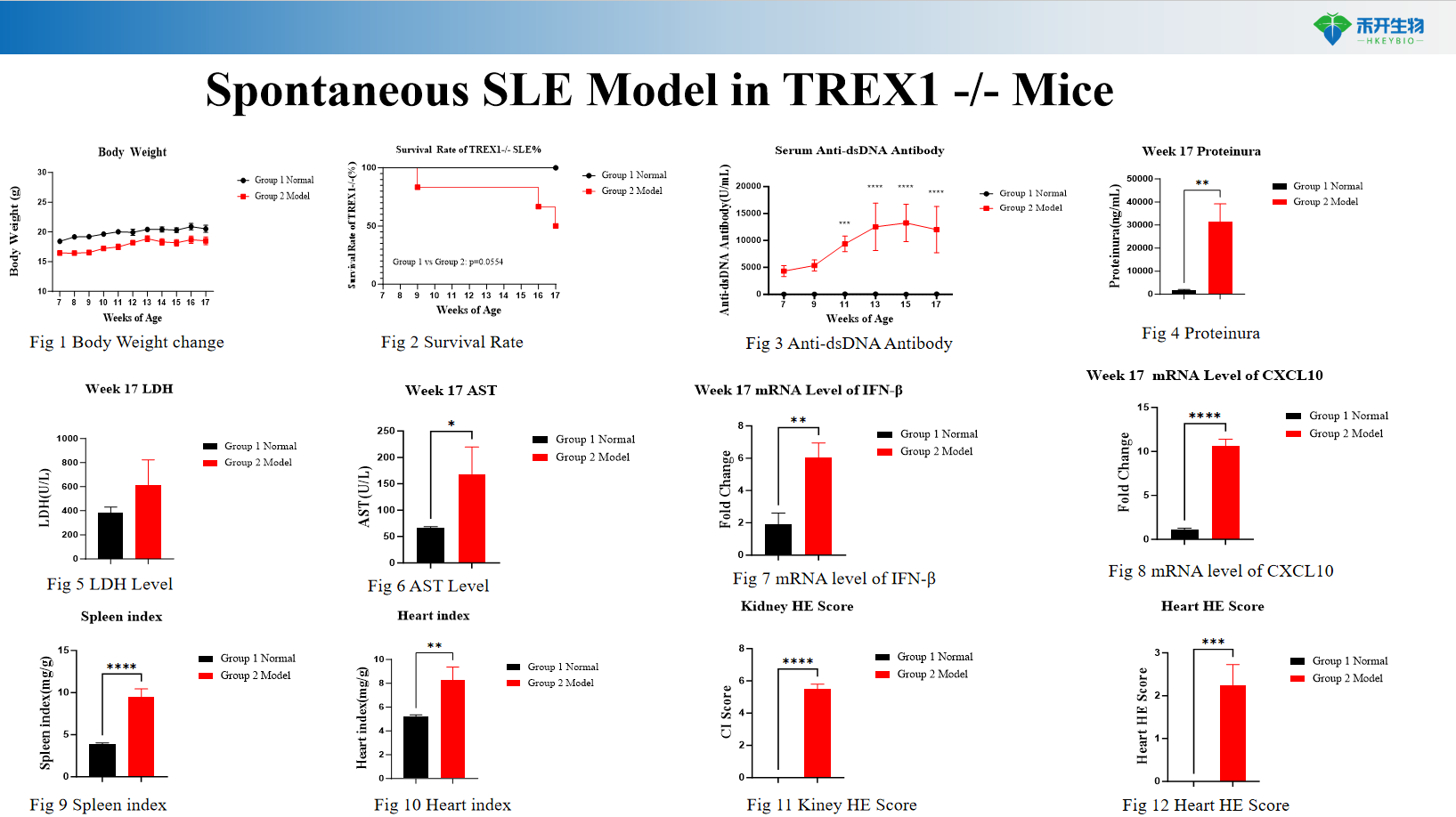
Spontaneous SLE Model in TREX1 -/- Mice
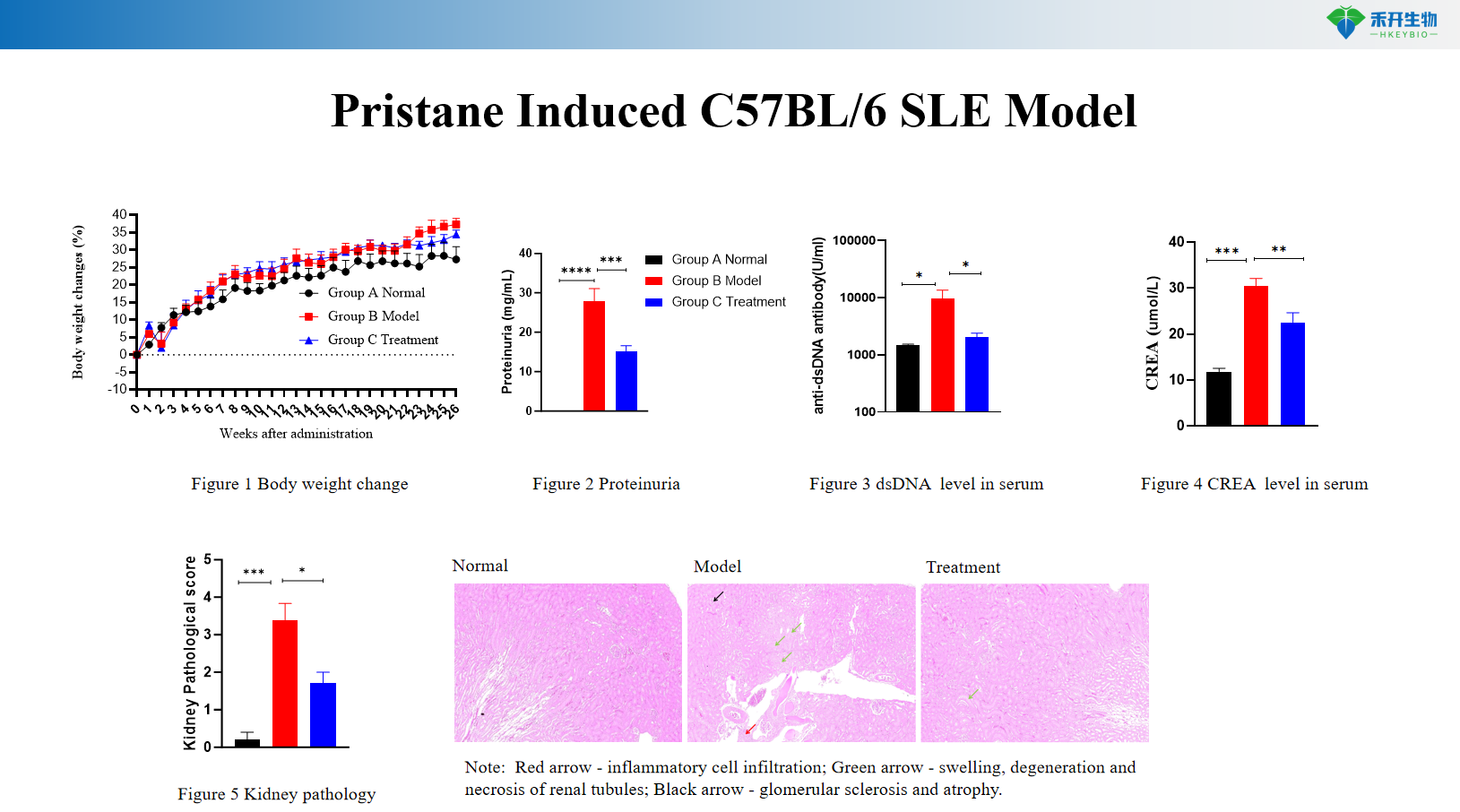
Pristane Induced C57BL/6 SLE Model
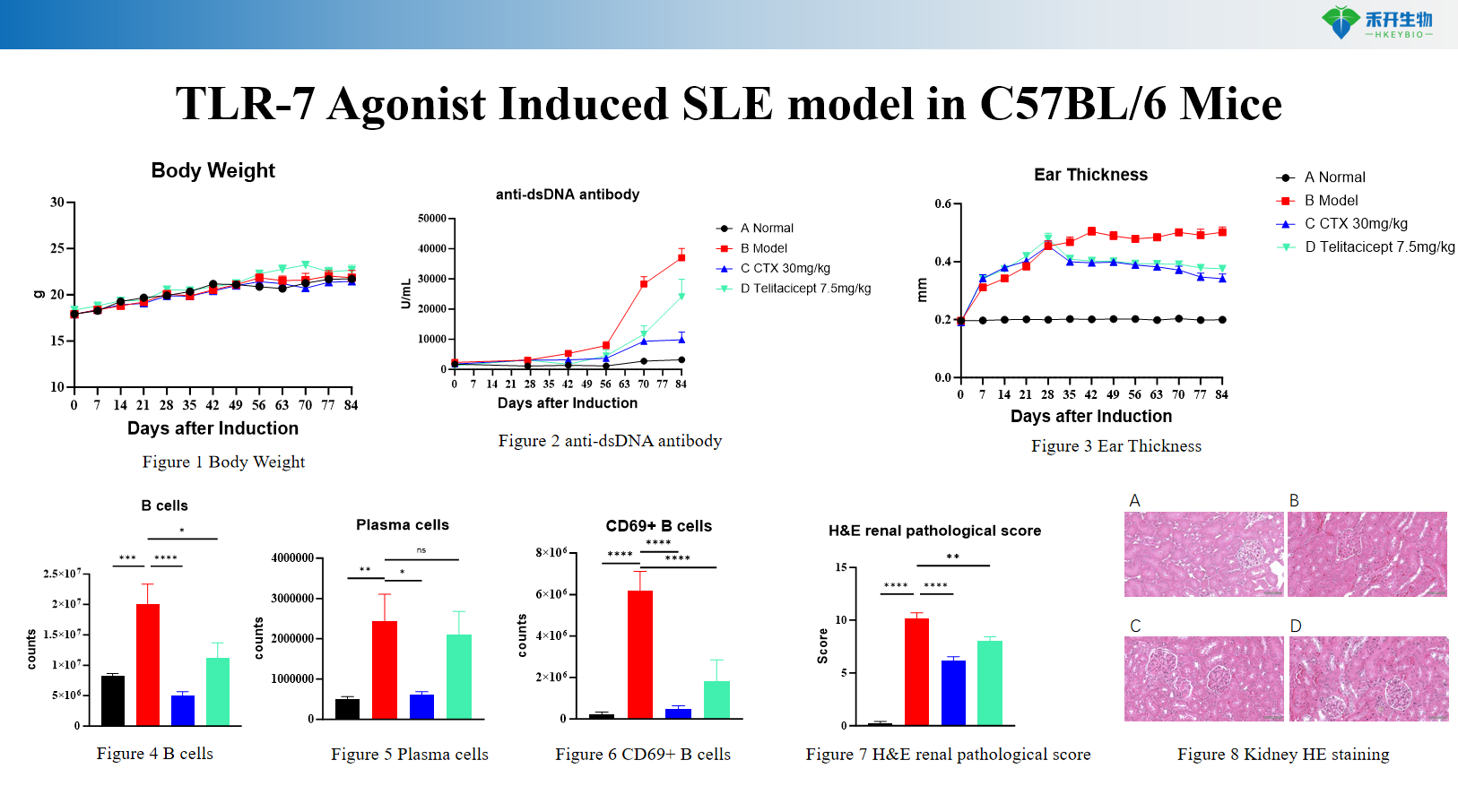
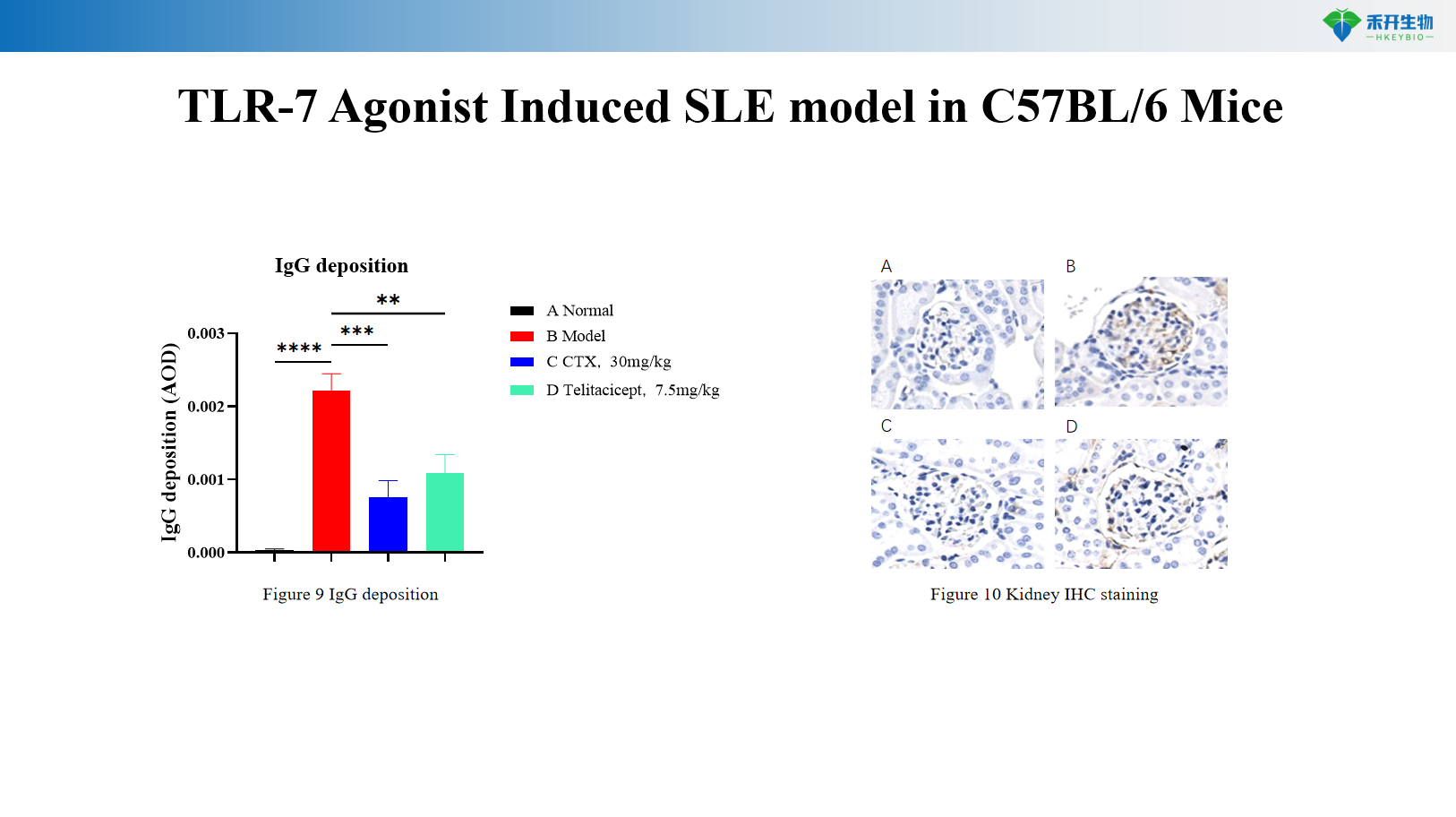
TLR-7 Agonist Induced SLE model in C57BL/6 Mice
TLR-7 Agonist Induced SLE model in C57BL/6 Mice
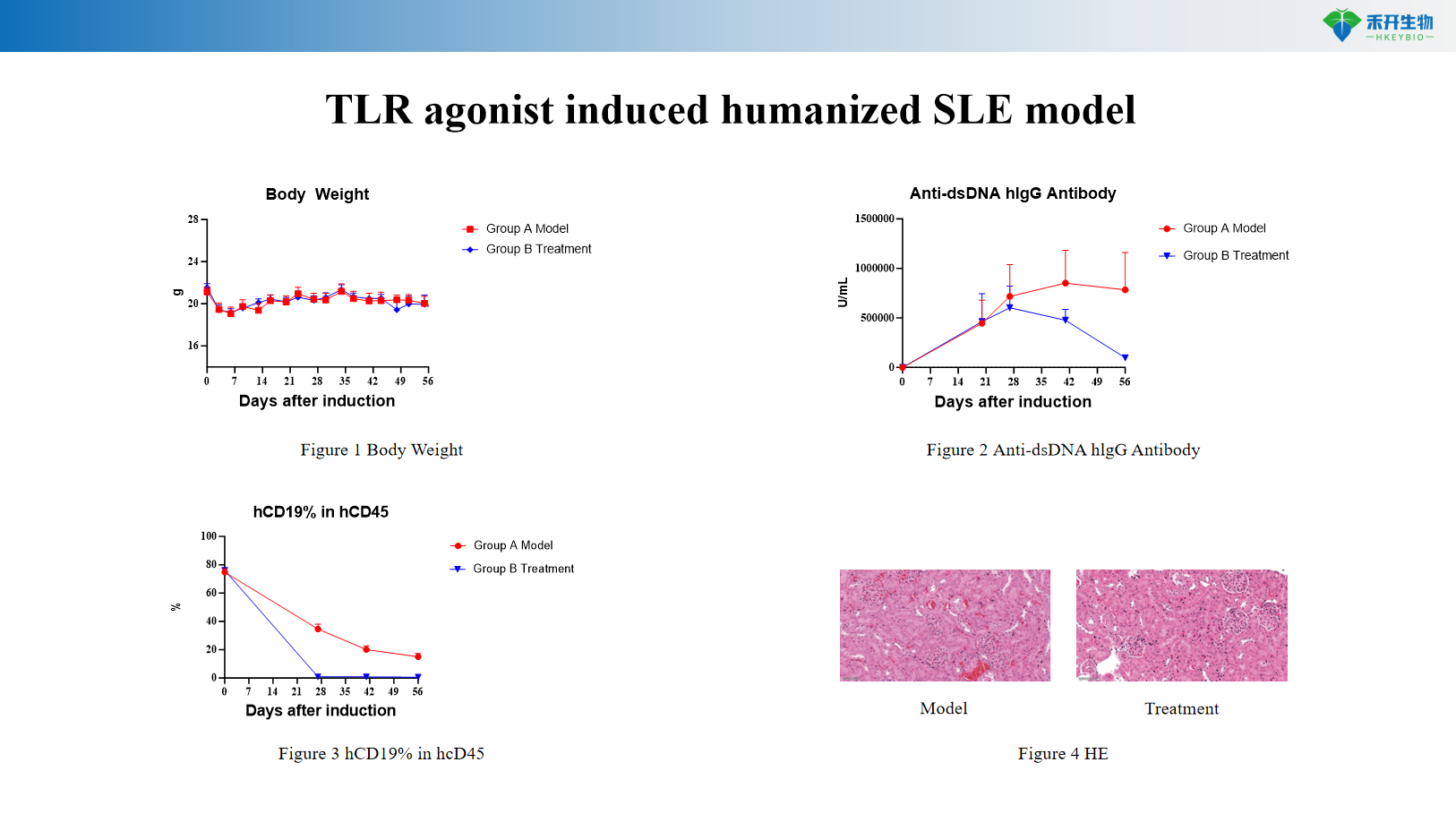
TLR agonist induced humanized SLE model
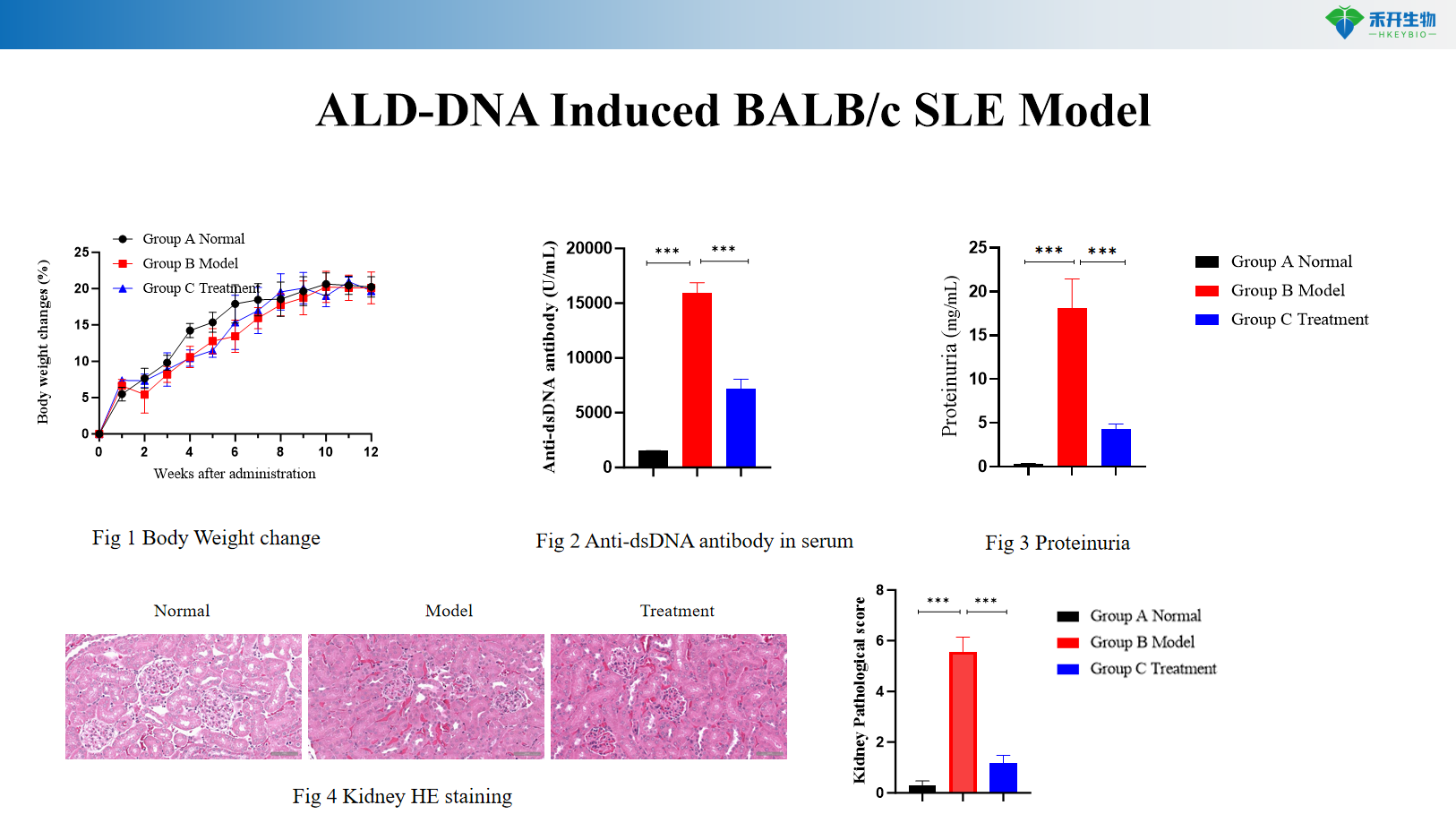
ALD-DNA Induced BALB/c SLE Model
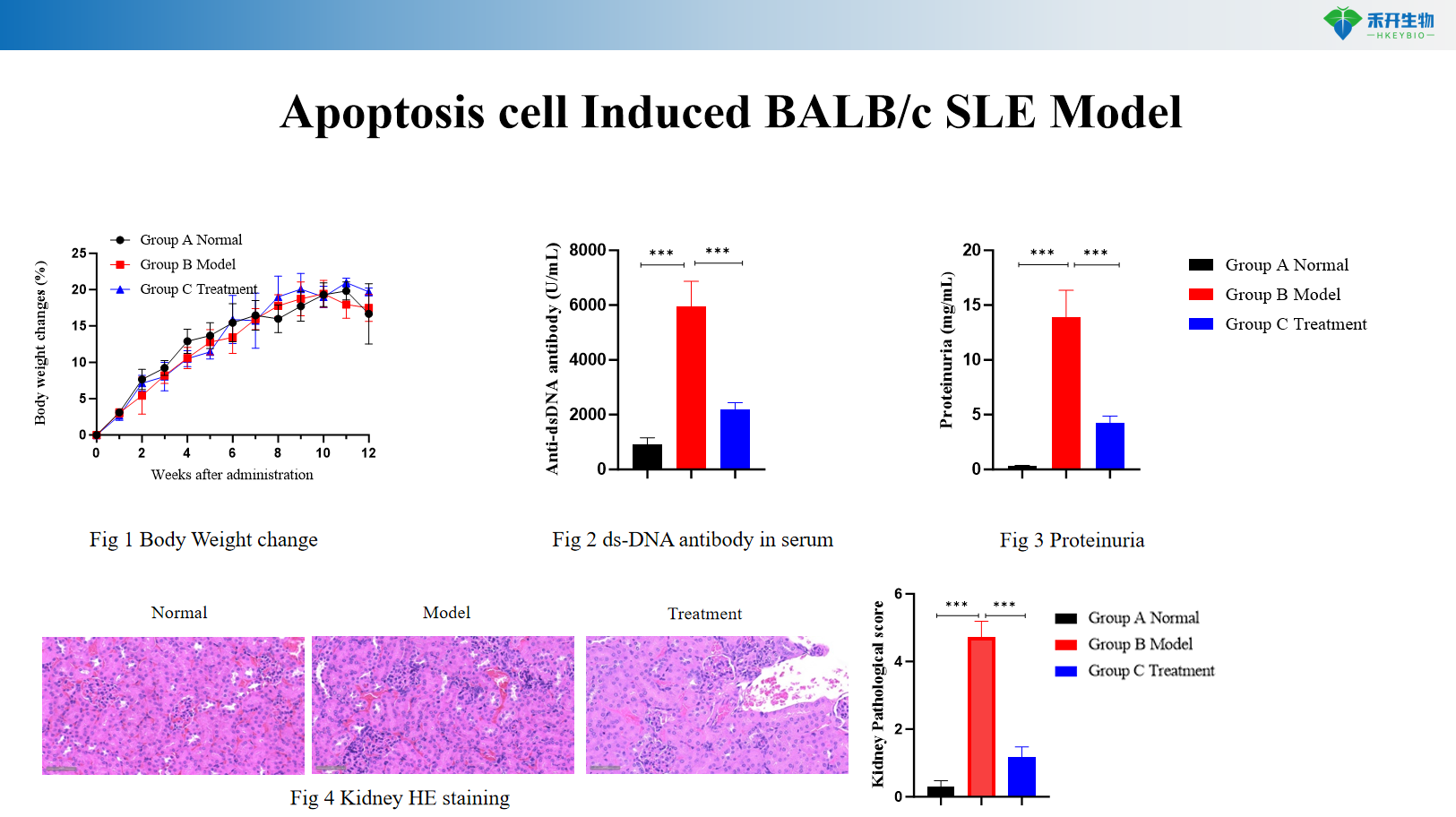
Apoptosis cell Induced BALB/c SLE Model
Applications
• Efficacy testing of immunosuppressants (cyclophosphamide, mycophenolate, corticosteroids) and biologics (anti-CD20, anti-BAFF, anti-IFNAR)
• Evaluation of TLR7/9 inhibitors, JAK inhibitors, and B cell‑targeted therapies
• Target validation for autoantibody production, type I interferon signature, and nephritis pathways
• Biomarker discovery (anti-dsDNA, proteinuria, cytokine signatures)
• IND-enabling pharmacology and toxicology studies
Model Specifications
Parameter | Specification |
Species/Strains | MRL/lpr, C57BL/6, BALB/c, humanized mice |
Induction methods | Spontaneous (Fas mutation); pristane i.p.; topical imiquimod (TLR-7 agonist); immunization with ALD-DNA or apoptotic cells |
Study duration | Spontaneous: 12–20 weeks; induced: 4–16 weeks depending on model |
Key endpoints | Body weight, lymphadenopathy/spleen/kidney indices, serum anti-dsDNA antibodies, proteinuria, serum CREA/LDH/AST, renal histopathology (HE, IgG/IgM deposition), flow cytometry (B cells, plasma cells, T cells), type I interferon signature (ISG expression |
| Positive control | Cyclophosphamide or mycophenolate mofetil available as reference compounds |
| Data package | Raw data, analysis reports, clinical chemistry, histology slides, flow cytometry files, bioinformatics (optional) |
❓ Frequently Asked Questions
Q1: What types of SLE models do you supply? A1: We provide a full range of SLE models, including MRL/lpr spontaneous model, Pristane, TLR-7 agonist, ALD-DNA and apoptotic cell induced models with C57BL/6 and BALB/c mice. We also offer TLR-7 agonist induced humanized mouse model.
Q2: What are the core modeling mechanisms? A2: The spontaneous MRL/lpr mice naturally develop systemic autoimmunity. Induced models trigger abnormal immune activation, excessive autoantibody production and immune complex deposition, which highly recapitulate the pathological features of human SLE.
Q3: What evaluation parameters are used for model assessment? A3: We monitor body weight, organ indexes and lymphadenopathy. We test anti-dsDNA autoantibodies and proteinuria, analyze immune cell subsets, and perform HE staining for kidney and heart pathological evaluation.
Q4: What are the respective experimental cycles? A4: The MRL/lpr model is observed from Week 10 to Week 22. Pristane model lasts 26 weeks, TLR-7 agonist model runs 12 weeks, and ALD-DNA induced model takes 12 weeks in total.
Q5: What are the model advantages and application scenarios? A5: All models present stable disease phenotypes and high similarity to human SLE. They are widely applied for preclinical efficacy screening, mechanism exploration and drug development for systemic lupus erythematosus.


